

.png?x-oss-process=image/resize,h_100,m_lfit/format,webp)
.png?x-oss-process=image/resize,h_100,m_lfit/format,webp)
.png?x-oss-process=image/resize,h_100,m_lfit/format,webp)

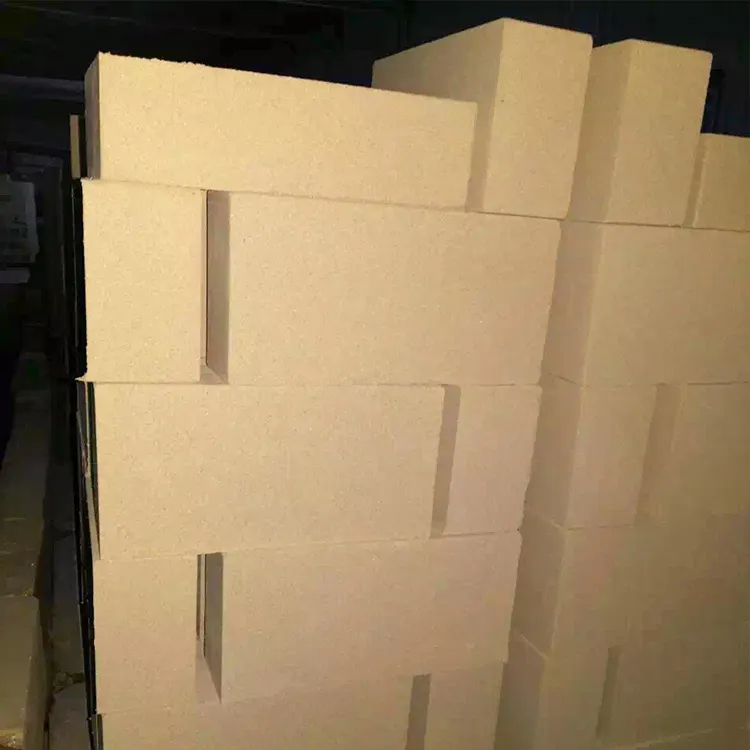
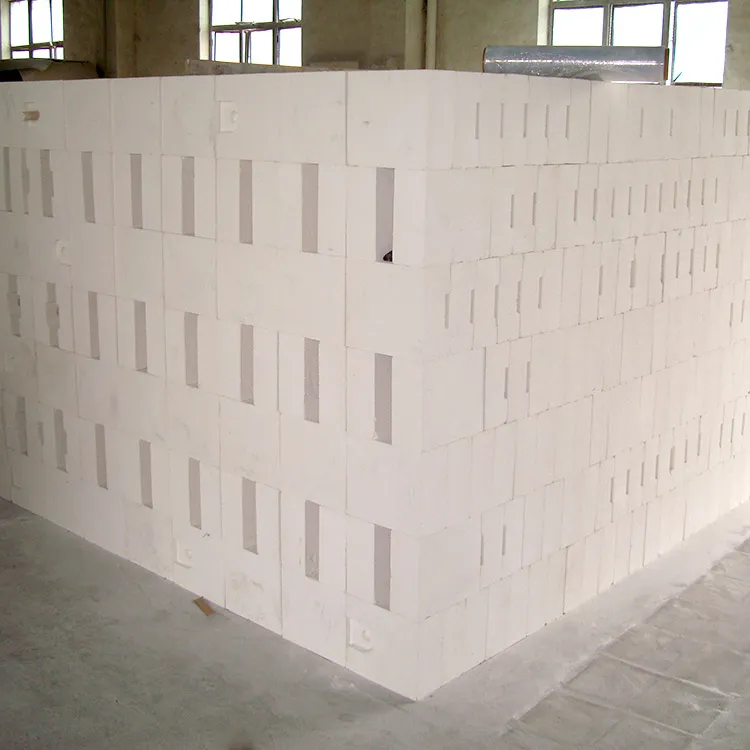
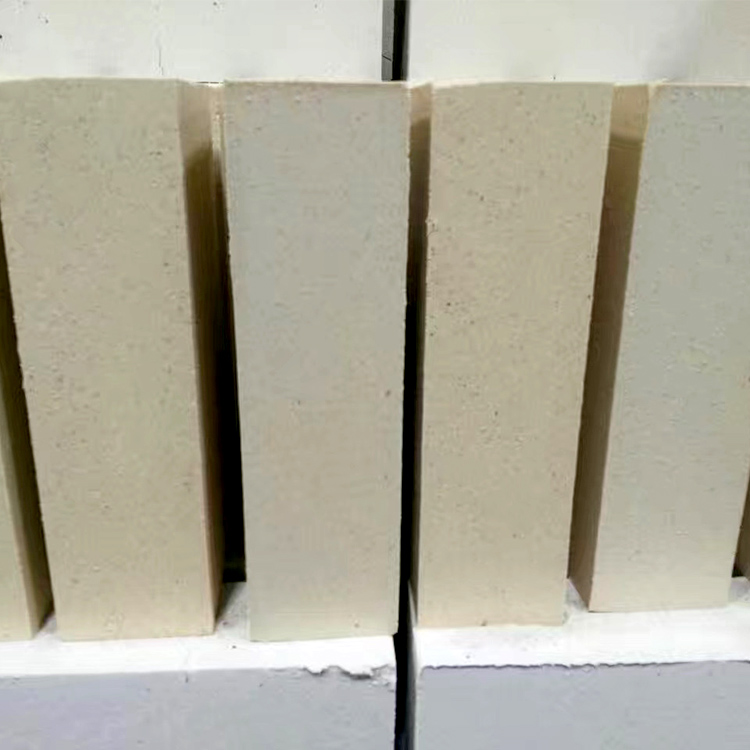
In the demanding environments of petroleum cracking furnaces and metallurgical blast furnaces, the choice of refractory lining is pivotal for operational efficiency and longevity. Recent advances in high-strength, energy-saving insulating refractory bricks have set a new benchmark for furnace performance, combining cutting-edge raw materials with innovative manufacturing techniques to deliver superior thermal resistance and mechanical stability.
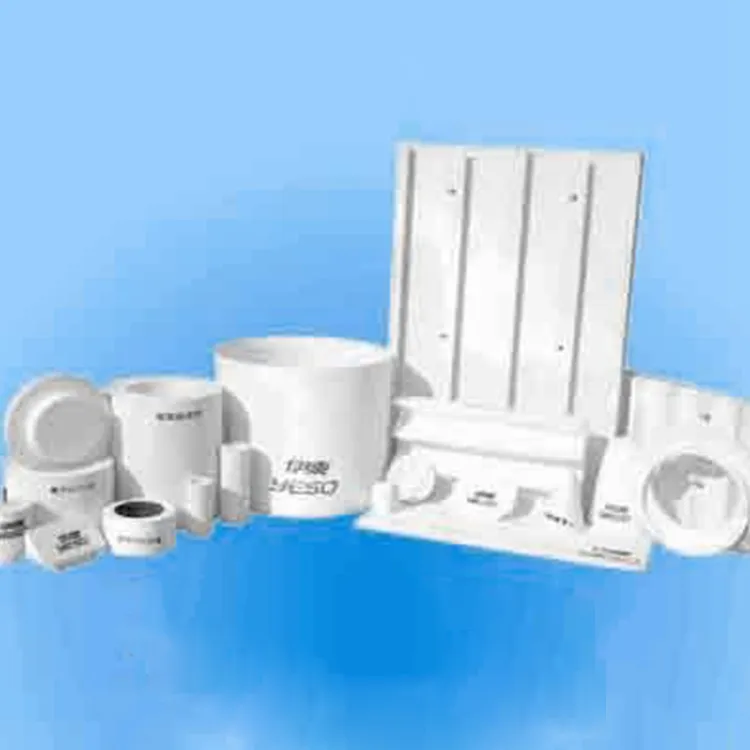
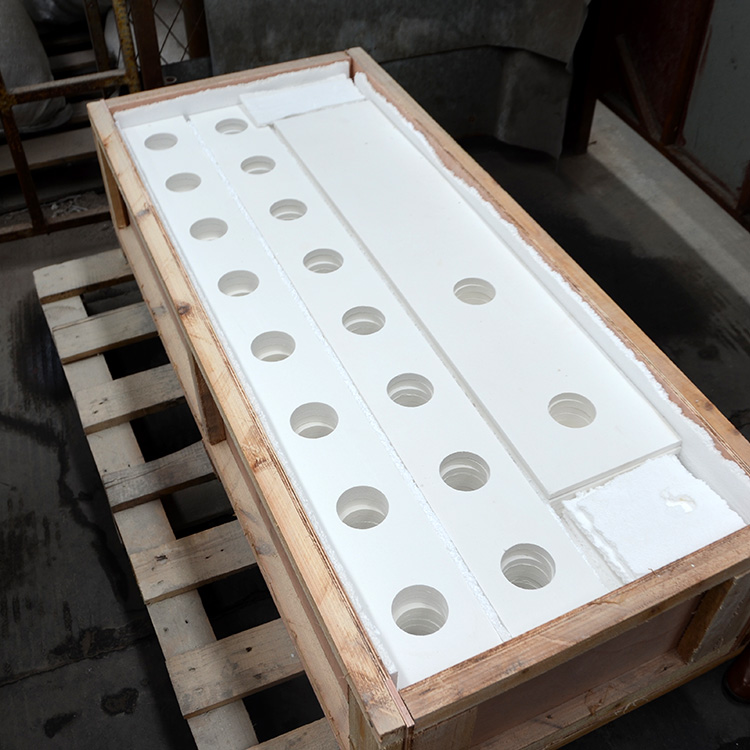
The core of these specialized refractory bricks is the use of imported plate-like corundum (Al2O3) and ultra-high-purity fused alumina. These raw materials inherently provide outstanding refractoriness and structural integrity. Moreover, the incorporation of advanced ultrafine powder additives enhances the bricks’ microstructure, while the high-temperature shuttle kiln sintering process ensures uniform density and precise dimensional control.
This meticulous manufacturing process yields bricks with the following notable features:
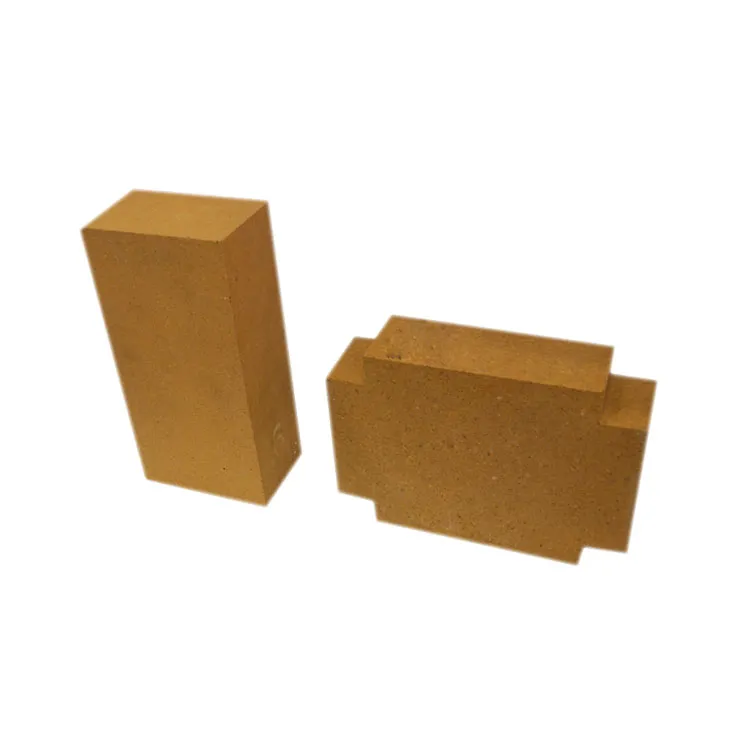
The bricks’ finely controlled sizing plays a crucial role in fast and effective furnace construction. Accurate brick dimensions enable rapid installation with reduced gaps, ensuring structural integrity and minimizing thermal leakage. This precision contributes to reduced maintenance intervals and fewer unplanned shutdowns, directly impacting operational uptime.
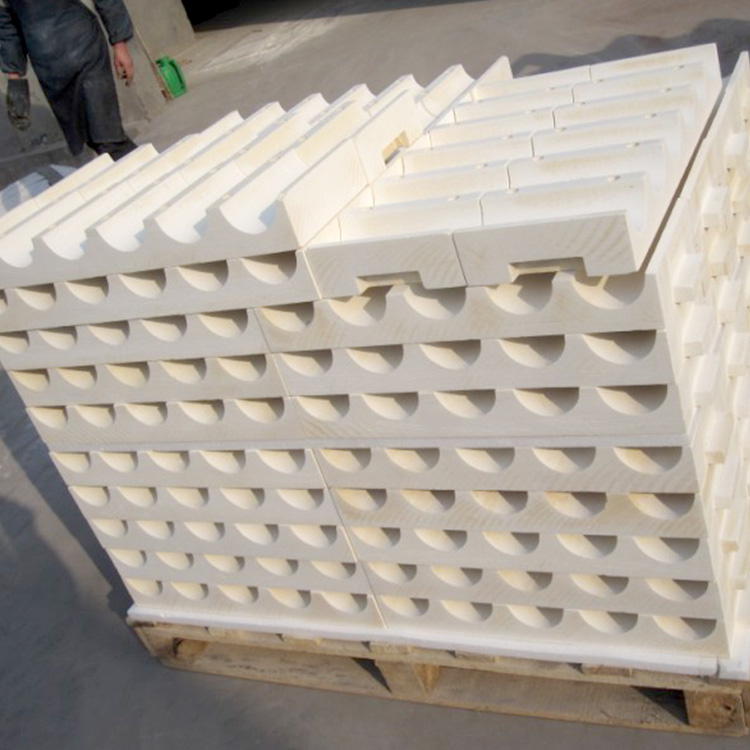
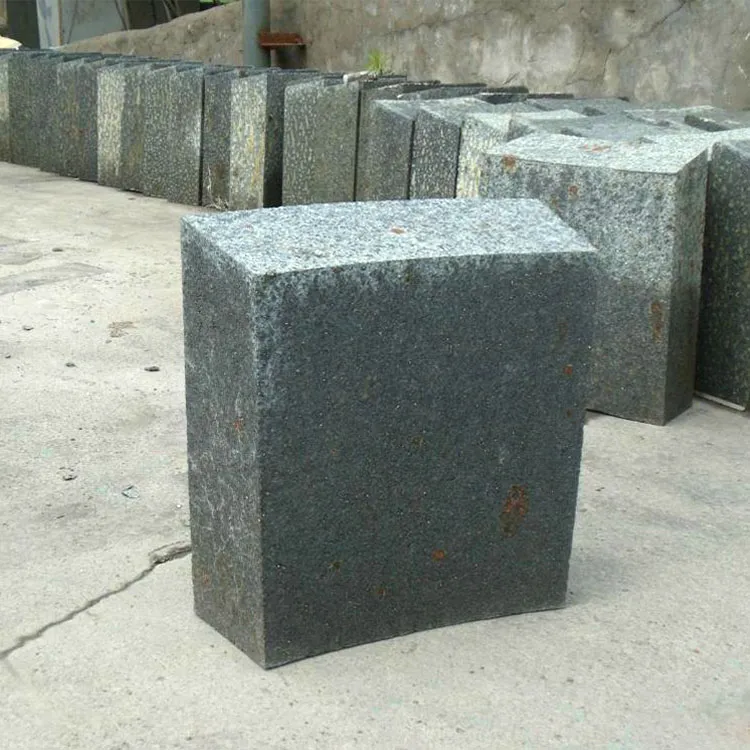
Extensive field applications within petroleum cracking furnaces have demonstrated up to 12% fuel savings attributed to the bricks’ enhanced insulation and lower heat loss. The product’s heat resistance reduces degradation, prolonging lining service life by more than 20% compared with traditional bricks. Similarly, in metallurgical blast furnaces, the bricks have stabilized furnace operation, resisting chemical attack from slag and enhancing thermal shock resilience—a critical factor during rapid temperature fluctuations.
These operational improvements translate into:
Domestically and internationally, these high-strength insulating bricks have established a competitive edge, validated through certifications and trusted by leading industrial players. Technical procurement managers and decision-makers consistently recognize the cost-benefit ratio and environmental impact improvements these bricks provide, enhancing reputation and fostering long-term supplier partnerships.
“The adoption of this next-generation insulating refractory brick has been instrumental in achieving our energy reduction targets without compromising furnace reliability.” – Senior Technical Manager, Petrochemical Industry
For industrial users seeking to upgrade their furnace linings, consideration should be given to:
These precautions maximize the durable, energy-saving benefits observed in operational case studies and align with global sustainability objectives.
 thermal shock resistance
insulating fire bricks
furnace lining lifespan
refractory materials installation
energy-efficient chemical furnaces
thermal stress refractory brick
chemical furnace maintenance
thermal shock resistant bricks
high-strength insulating fireclay
refractory brick early damage detection
High-alumina insulating brick energy-saving principle
Porous structure refractory materials
Industrial furnace thermal efficiency improvement
High-alumina refractory brick thermal conductivity
Refractory material energy-saving transformation
thermal shock resistant refractory materials
frequent start industrial furnace
high alumina insulating brick
refractory performance comparison
industrial furnace lining solutions
high-alumina insulating bricks
refractory thermal expansion
industrial furnace maintenance
thermal shock resistance
refractory interface spalling
thermal shock resistance
insulating fire bricks
furnace lining lifespan
refractory materials installation
energy-efficient chemical furnaces
thermal stress refractory brick
chemical furnace maintenance
thermal shock resistant bricks
high-strength insulating fireclay
refractory brick early damage detection
High-alumina insulating brick energy-saving principle
Porous structure refractory materials
Industrial furnace thermal efficiency improvement
High-alumina refractory brick thermal conductivity
Refractory material energy-saving transformation
thermal shock resistant refractory materials
frequent start industrial furnace
high alumina insulating brick
refractory performance comparison
industrial furnace lining solutions
high-alumina insulating bricks
refractory thermal expansion
industrial furnace maintenance
thermal shock resistance
refractory interface spalling



.jpg?x-oss-process=image/resize,h_800,m_lfit/format,webp)