

.png?x-oss-process=image/resize,h_100,m_lfit/format,webp)
.png?x-oss-process=image/resize,h_100,m_lfit/format,webp)
.png?x-oss-process=image/resize,h_100,m_lfit/format,webp)

In the realm of industrial manufacturing, energy efficiency is a paramount concern. High-alumina insulating bricks have emerged as a game-changer in this regard, thanks to their unique porous structure. This article delves into the scientific principles behind the porous design of high-alumina insulating bricks and their crucial role in reducing energy consumption in industrial furnaces.
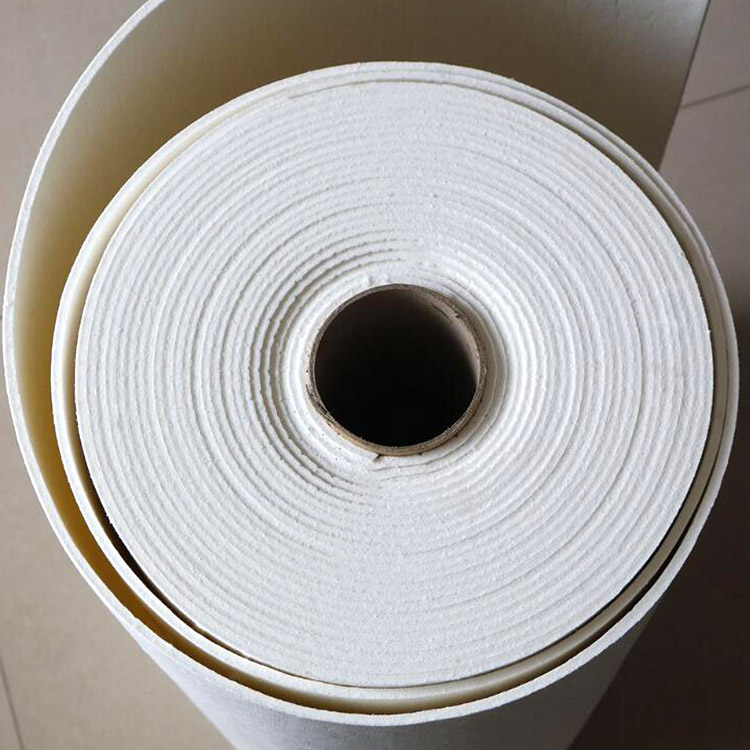
The porous structure of high-alumina insulating bricks is the key to their excellent thermal insulation properties. As the porosity of these bricks increases, the thermal conductivity and heat capacity decrease significantly. This is because the pores act as barriers to heat transfer, reducing the rate at which heat can pass through the material. For example, when the porosity of high-alumina insulating bricks is increased by 30%, the thermal conductivity can be reduced by up to 25%, according to laboratory tests.
To understand this better, let's look at the physical mechanism. The heat transfer in solids mainly occurs through conduction, and the presence of pores interrupts the continuous path for heat conduction. The air trapped in the pores has a low thermal conductivity, which further enhances the insulation effect. Additionally, the reduced heat capacity means that less energy is required to heat up the bricks, resulting in lower energy consumption during the operation of the furnace.
To illustrate the practical application of high-alumina insulating bricks, let's examine a real case of a ceramic tunnel kiln. A ceramic manufacturing company decided to retrofit its tunnel kiln with high-alumina insulating bricks to improve energy efficiency. The retrofit process involved replacing the existing insulation materials with high-alumina insulating bricks with a higher porosity.
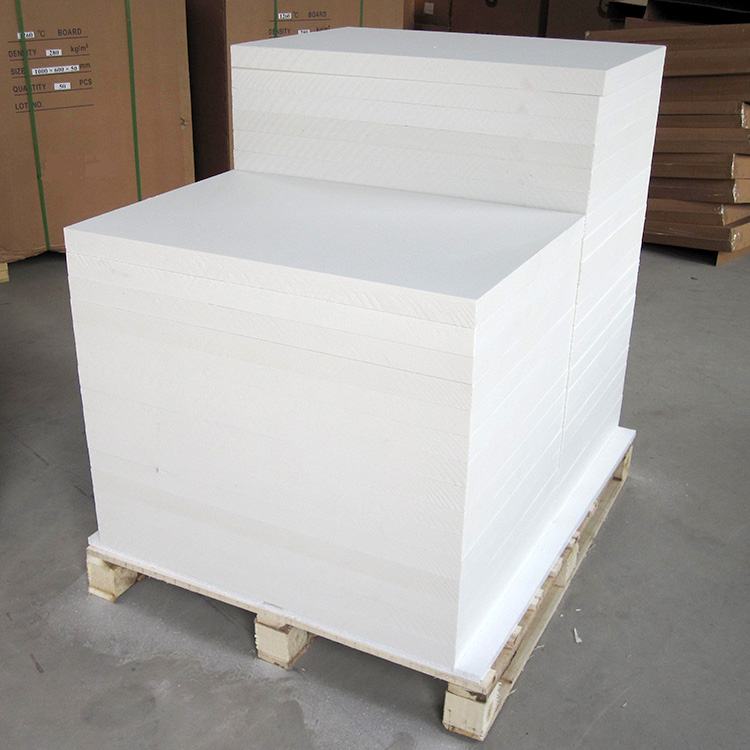
After the retrofit, the company conducted a comprehensive energy consumption test. The results were remarkable. The energy consumption of the tunnel kiln decreased by 20% compared to the pre-retrofit period. This significant reduction in energy consumption not only led to substantial cost savings but also had a positive impact on the environment.
The following table shows the detailed data of the energy consumption before and after the retrofit:
| Period | Energy Consumption (kWh) | Reduction Rate |
|---|---|---|
| Before Retrofit | 10,000 | - |
| After Retrofit | 8,000 | 20% |
Our high-alumina insulating bricks are manufactured in strict accordance with ISO and ASTM international standards. These standards ensure the high quality and international competitiveness of our products. By meeting these rigorous standards, our bricks can be trusted to provide reliable performance in various industrial applications.
Compliance with international standards also means that our products can be easily integrated into global supply chains, giving our customers a competitive edge in the international market. Whether you are a small-scale manufacturer or a large multinational corporation, our high-alumina insulating bricks can help you achieve significant energy savings and extend the service life of your furnaces.
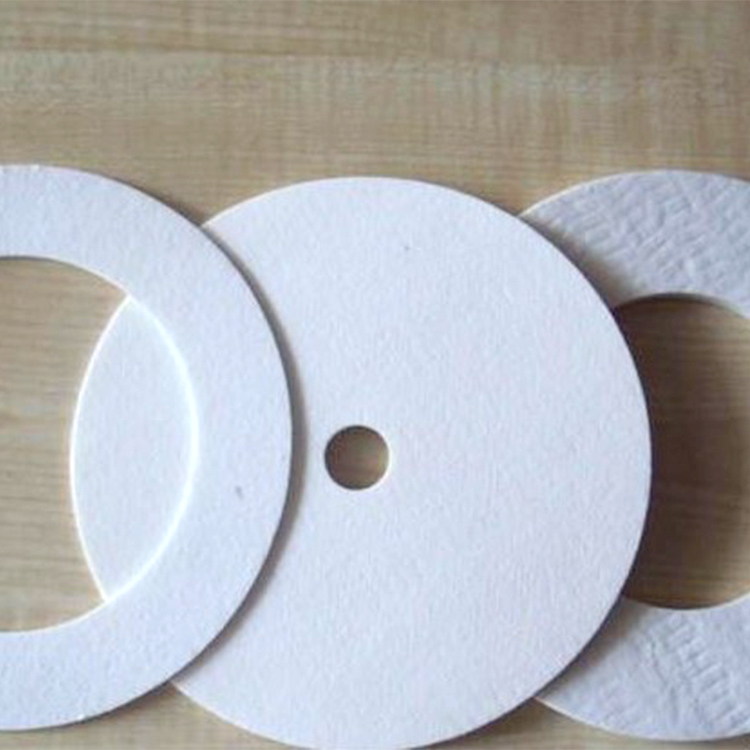
In conclusion, high-alumina insulating bricks offer a proven solution for reducing energy consumption in industrial furnaces. Their unique porous structure, combined with strict adherence to international standards, makes them an ideal choice for manufacturers looking to improve energy efficiency and reduce operating costs. The case study of the ceramic tunnel kiln clearly demonstrates the practical benefits of using these bricks.
If you are a professional in the manufacturing industry and want to learn more about how high-alumina insulating bricks can help you achieve significant energy savings, click here to download our detailed technical whitepaper. Discover the potential of high-alumina insulating bricks and take the first step towards a more energy-efficient future.