

.png?x-oss-process=image/resize,h_100,m_lfit/format,webp)
.png?x-oss-process=image/resize,h_100,m_lfit/format,webp)
.png?x-oss-process=image/resize,h_100,m_lfit/format,webp)

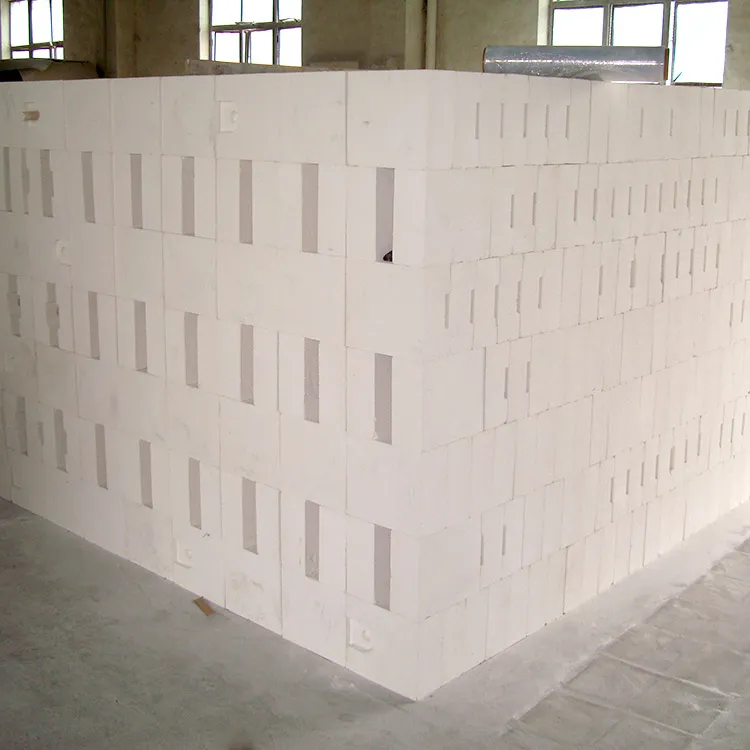
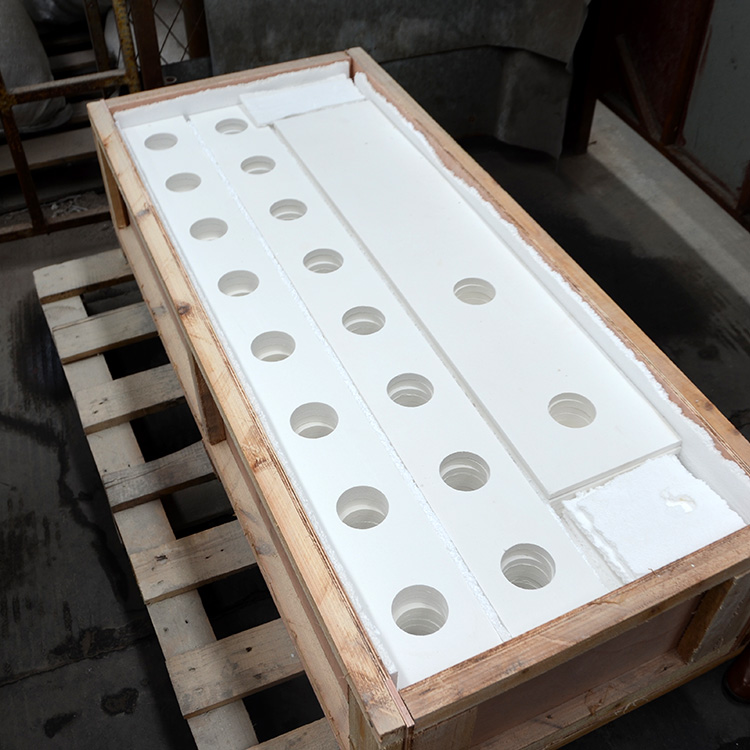
In the industrial furnace sector, particularly concerning ceramic roller kilns, the selection of refractory bricks and the strict control of their dimensions play a crucial role in enhancing construction efficiency and ensuring long-term structural stability. This technical analysis delves into how corundum-mullite insulating bricks, renowned for their superior thermal properties, coupled with precise sizing, enable rapid installation, reduce mortar consumption, and strengthen kiln architecture.
Ceramic roller kilns operate under high-temperature cycling and mechanical stress conditions. To maintain optimal kiln performance and energy efficiency, refractory bricks must meet several criteria:
Corundum-mullite insulating bricks offer an optimized balance of these properties, making them ideal for the thermal insulation layer in ceramic roller kiln walls.
Dimensionally precise refractory bricks reduce joint gaps and irregularities during installation. This precision translates into several tangible advantages:
| Performance Metric | Conventional Bricks | Corundum-Mullite Precise Bricks |
|---|---|---|
| Average Mortar Consumption | 18-20 kg/m² | 10-12 kg/m² (-40% reduction) |
| Installation Rate | ~5 m² per worker/day | ~7 m² per worker/day (+40% faster) |
| Structural Stability (Measured by Displacement) | 1.5 mm average displacement | 0.8 mm average displacement (-47% improvement) |
The overall construction cycle from material preparation to curing involves key stages where dimension precision significantly impacts performance:
Practical issues during kiln refractory installation often revolve around thermal expansion mismatches, joint movement, and heat cycling. Precision sizing combined with material selection mitigates these challenges:
"Accurate refractory brick dimensions paired with optimized material selection are critical drivers for both construction speed and kiln reliability, ultimately enhancing operational uptime." — Senior Thermal Engineer, International Refractory Institute
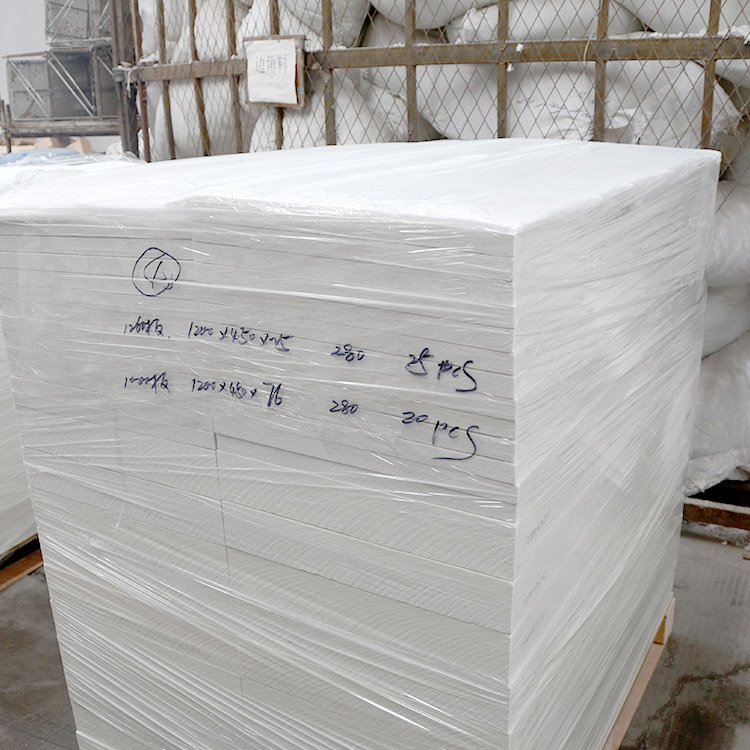
Utilizing these technical insights, engineers and project managers can implement best practices that not only accelerate construction schedules but also enhance kiln lifespan and reduce maintenance intervals.
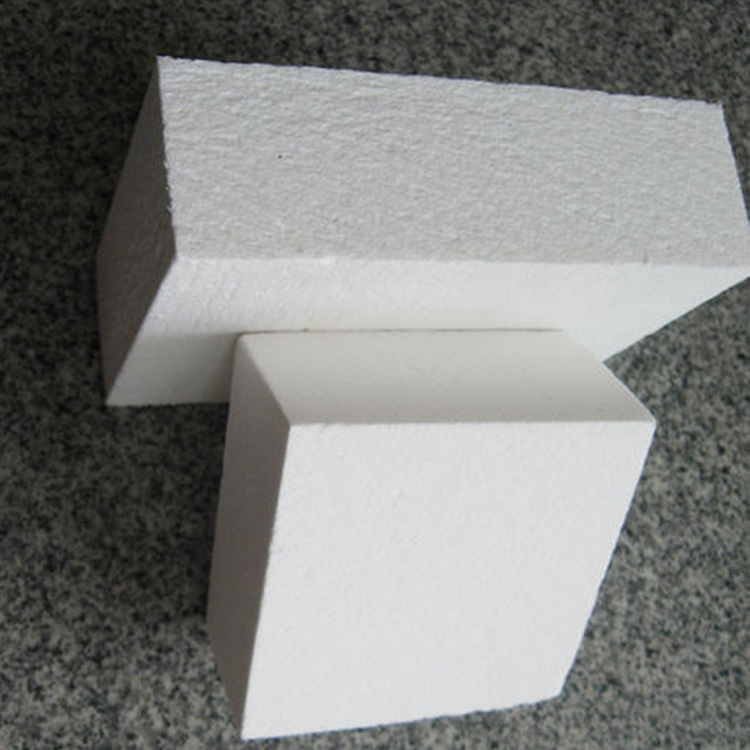
Partnering with suppliers who provide comprehensive technical backing and customized refractory solutions is paramount. From product selection to onsite implementation advice, this support bridges the gap between material capabilities and installation realities.
 high alumina insulating brick
porous refractory materials
industrial furnace energy saving
mullite corundum structure
international refractory standards
high alumina insulating brick
thermal shock resistant refractory
industrial furnace lining
mullite refractory brick
high frequency start stop furnace
mullite insulating brick
low thermal conductivity refractory
industrial furnace energy saving material
shuttle kiln sintering process
ultrafine powder additive technology
Refractory material selection guide
Furnace service life extension techniques
High - alumina insulating brick application mistakes
Mullite - corundum structure
High - temperature furnace energy - saving transformation
thermal stress cracking in refractory bricks
chemical furnace maintenance solutions
refractory materials thermal shock resistance
furnace lining inspection techniques
refractory brick damage prevention
high alumina insulating brick
porous refractory materials
industrial furnace energy saving
mullite corundum structure
international refractory standards
high alumina insulating brick
thermal shock resistant refractory
industrial furnace lining
mullite refractory brick
high frequency start stop furnace
mullite insulating brick
low thermal conductivity refractory
industrial furnace energy saving material
shuttle kiln sintering process
ultrafine powder additive technology
Refractory material selection guide
Furnace service life extension techniques
High - alumina insulating brick application mistakes
Mullite - corundum structure
High - temperature furnace energy - saving transformation
thermal stress cracking in refractory bricks
chemical furnace maintenance solutions
refractory materials thermal shock resistance
furnace lining inspection techniques
refractory brick damage prevention