How to Deal with Frequent Cracking in Ceramic Firing Kilns? Technical Standards and Practical Suggestions for Thermal Shock Resistance from Refractory Material Selection
2025-12-16
Industry Research
Is your ceramic firing kiln cracking frequently? Stop blaming improper operation! This article delves into three key misunderstandings in refractory material selection: cracking during start - stop due to insufficient thermal shock resistance, softening and deformation caused by long - term temperature over - limit, and interface peeling due to thermal expansion mismatch. Taking high - alumina insulating bricks as an example, it details how their main crystal phases of mullite/corundum provide excellent high - temperature stability and creep resistance. It also teaches you to judge whether the bricks are suitable for the working conditions by observing intuitive features such as net - like cracks and peeling marks on the brick surface. Combining real industrial scenarios with technical principles, this article helps you extend the kiln's service life from the source and improve energy - saving efficiency. It's a must - collect guide to avoid pitfalls in refractory material selection.
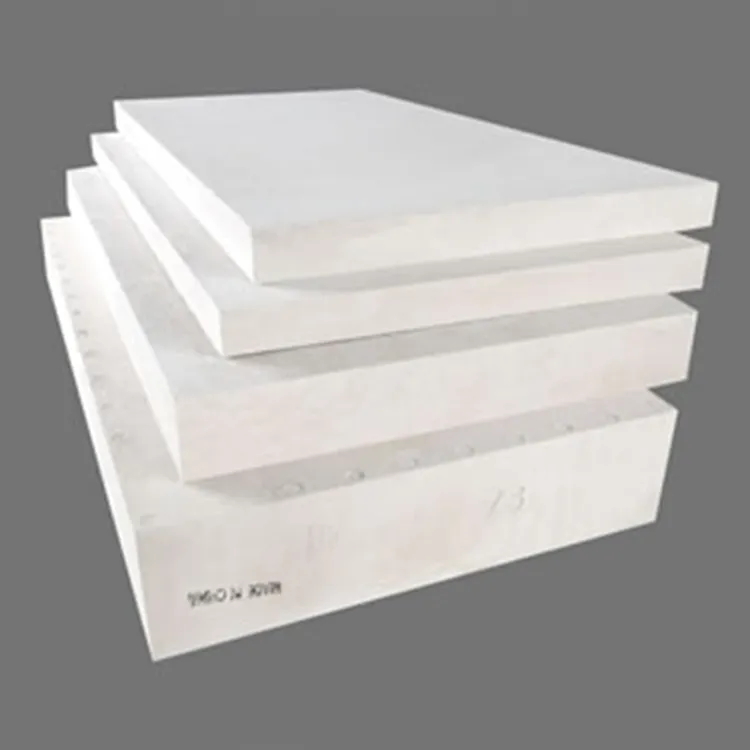
How to Deal with Frequent Cracking of Ceramic Firing Kilns? Insights into Technical Standards and Practical Advice on Thermal Shock Resistance from Refractory Material Selection
Are you troubled by the frequent cracking of your ceramic firing kilns? Don't just blame improper operation anymore! This article dives deep into the three major pitfalls in refractory material selection, which might be causing more headaches than you thought. Your furnace could be silently deteriorating due to wrong material choices.
I. Understanding Common Faults in Ceramic Firing Kilns
You may often notice phenomena like cracking and peeling in your ceramic firing kilns. These not only disrupt normal production but also increase maintenance costs and energy consumption. According to industry statistics, improper refractory material selection can lead to a 20 - 30% increase in maintenance costs and a 15 - 20% drop in energy efficiency.
II. The Root Cause: Misjudgment in Refractory Material Selection
Many enterprises tend to attribute these problems to operational errors. However, the real culprit is often the wrong choice of refractory materials. There are three core issues:
- Lack of thermal shock resistance: Insufficient thermal shock resistance can cause the kiln to crack during startup and shutdown. For instance, if the refractory material cannot withstand rapid temperature changes, cracks will appear on the surface, which may gradually expand and lead to the failure of the entire kiln lining.
- Exceeding long - term service temperature: Prolonged use at temperatures higher than the material's limit can make the refractory material soften and deform. When a refractory material with a maximum service temperature of 1200°C is used in a kiln operating at 1300°C for a long time, it will soften, losing its original structural strength and insulation performance.
- Imbalance in thermal expansion matching: Mismatched thermal expansion coefficients between different layers of refractory materials can cause the interface to peel off. This is like mismatched gears in a machine, which can cause the whole system to malfunction.
III. The Advantages of High - Alumina Insulating Bricks
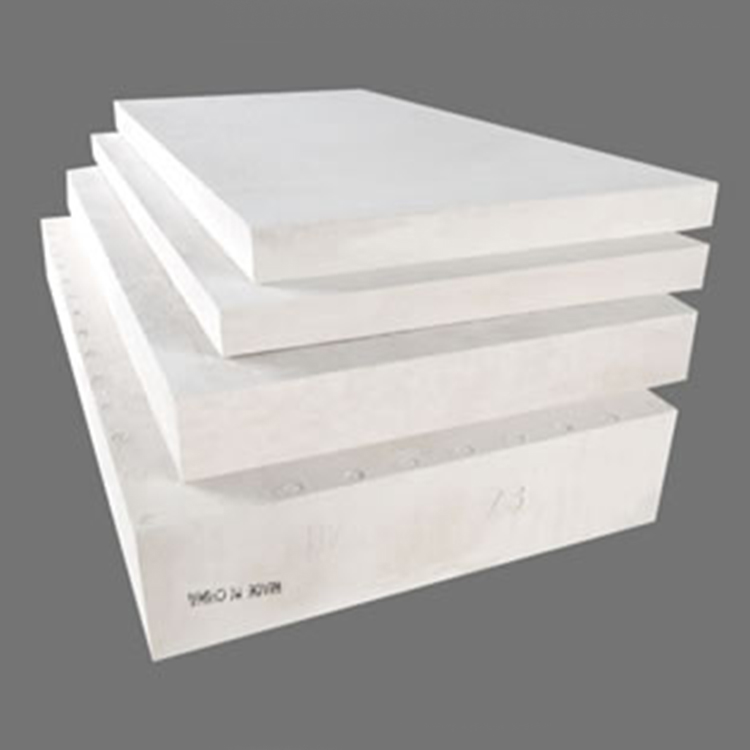
Take high - alumina insulating bricks as an example. Their main crystalline phases, mullite and corundum, offer excellent high - temperature stability and creep resistance. ISO standards indicate that high - alumina insulating bricks with a certain percentage of mullite and corundum can maintain good structural integrity at high temperatures, reducing the risk of cracking and deformation.
IV. Brick Configuration Strategies for Different Furnaces
For different industrial furnaces, such as ceramic firing kilns and steel - making converters, the configuration of refractory bricks at different positions varies. In a ceramic firing kiln, high - alumina insulating bricks can be used in the insulation layer to reduce heat loss, while high - strength refractory bricks are required in the working layer to withstand high - temperature erosion and mechanical impact.
V. Practical Self - Inspection Methods
You can easily judge whether the refractory materials are suitable for your working conditions by observing the surface of the bricks. If there are reticular cracks or peeling marks on the brick surface, it indicates that the material may not be a good fit. This simple self - inspection method can help you detect problems early and take corrective measures in time.
VI. Summary: The Logic of Selection and Future Optimization
In summary, choosing the right refractory materials is crucial for extending the service life of your kiln and improving energy efficiency. By understanding the technical requirements and practical inspection methods, you can make more informed decisions. Remember, choosing the right bricks can save you up to 30% in maintenance costs!
Click here to learn more about refractory material selection and optimize your furnace performance!



.png?x-oss-process=image/resize,h_100,m_lfit/format,webp)
.png?x-oss-process=image/resize,h_100,m_lfit/format,webp)
.png?x-oss-process=image/resize,h_100,m_lfit/format,webp)