

.png?x-oss-process=image/resize,h_100,m_lfit/format,webp)
.png?x-oss-process=image/resize,h_100,m_lfit/format,webp)
.png?x-oss-process=image/resize,h_100,m_lfit/format,webp)

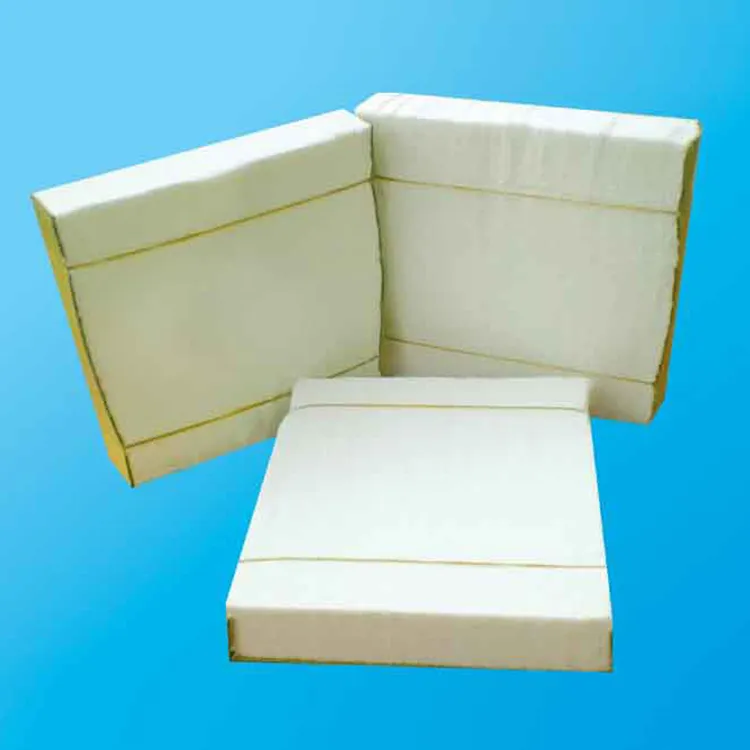
In industrial settings where high temperatures are the norm, proper installation of refractory materials isn't just a construction detail—it's a critical factor in operational safety, energy efficiency, and long-term cost management. The Sunrise calcium silicate insulation board, engineered to withstand temperatures up to 1050℃, represents a pinnacle in high-temperature insulation technology. This comprehensive guide walks you through professional installation techniques developed through decades of field experience, ensuring your project achieves optimal thermal performance while minimizing maintenance issues.
Before beginning installation, proper material preparation can reduce on-site errors by up to 40%, according to industry studies. Start by verifying that your Sunrise calcium silicate boards match the specified thickness (typically 25mm to 100mm for industrial applications) and density (180-220 kg/m³ for optimal thermal performance). Store boards in a dry environment with relative humidity below 65% to prevent moisture absorption, which can compromise insulation properties.
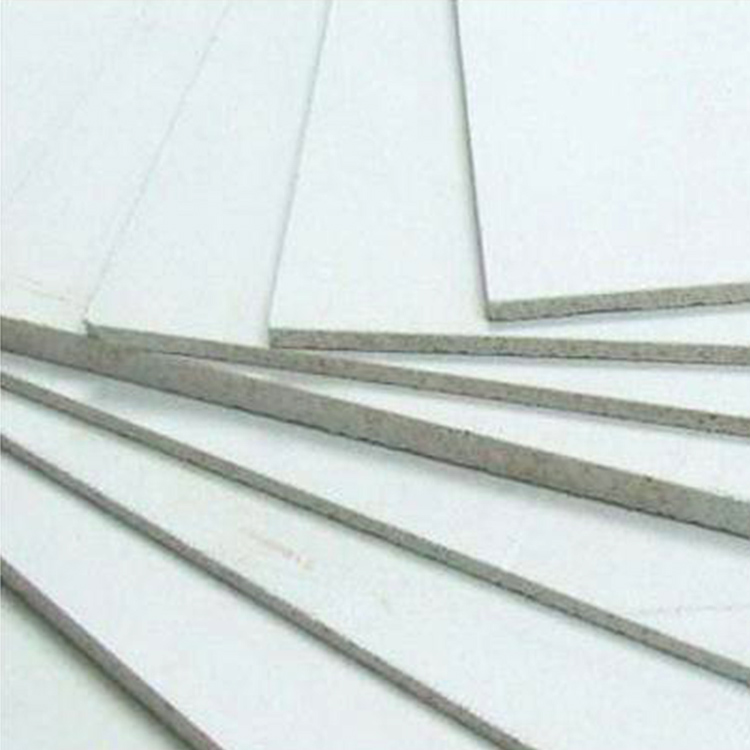
Accurate cutting directly impacts thermal performance—gaps as small as 2mm can increase heat loss by 15%. For straight cuts, mark the board using a straightedge and pencil, then score both sides before applying gentle pressure to break along the line. For curved cuts or intricate shapes, use a jigsaw with a diamond grit blade, maintaining a cutting speed of 3000-3500 RPM for optimal results.
"Always cut with the smooth side facing up to minimize surface damage," advises Michael Chen, a refractory specialist with 18 years of experience. "For boards thicker than 50mm, make multiple passes rather than trying to cut through in one go—this reduces dust and prevents board fracture."
The method of fixing depends on your specific application. In vertical installations such as furnace walls, mechanical fastening with heat-resistant screws spaced 300-400mm apart provides superior stability. For horizontal surfaces like kiln roofs, a combination of mechanical fasteners and high-temperature adhesive creates redundancy against thermal expansion forces.
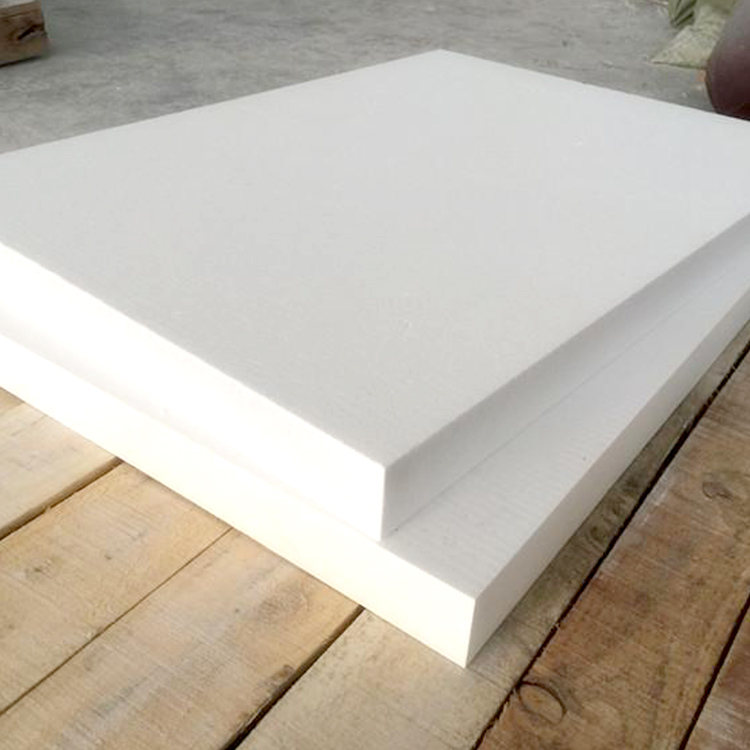
When using adhesives, apply in a continuous bead around the perimeter and in a zigzag pattern across the board surface. This ensures full contact and prevents air pockets that can lead to thermal bridging. Allow adhesive to cure for the recommended time (typically 24 hours at 20℃) before subjecting to heat.
Even the highest quality insulation board will underperform without proper joint treatment. For standard applications, fill joints with a high-temperature ceramic fiber rope (diameter 1.5x the joint width) before applying heat-resistant sealant. In particularly humid environments or where liquid exposure is possible, consider adding a waterproof membrane over the insulation system.
Industrial facilities report a 30% increase in insulation lifespan when proper waterproofing is implemented. Apply sealant in two layers: first a thin base coat to seal pores, followed by a thicker top coat after 24 hours. Pay special attention to penetrations and edges, which are common entry points for moisture.
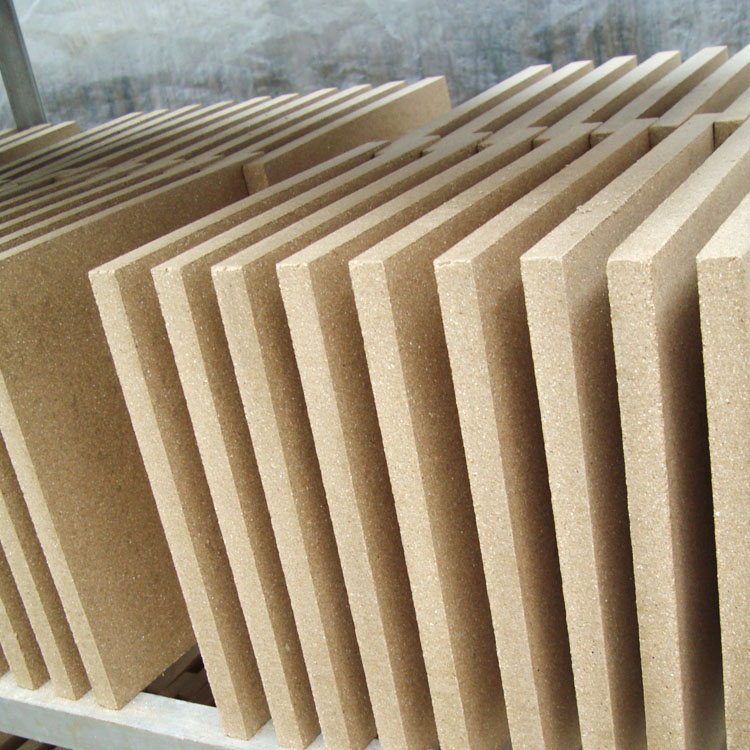
Regular maintenance can extend the service life of calcium silicate insulation by 5-8 years. Conduct quarterly inspections, looking for signs of thermal degradation (discoloration), mechanical damage, or moisture intrusion. Address small issues promptly before they escalate—for example, repairing a minor crack within 24 hours prevents heat loss from increasing by up to 25%.
Seasonal temperature variations require specific maintenance attention. In cold climates, ensure insulation systems are protected from freeze-thaw cycles that can cause material degradation. In hot, humid environments, increase inspection frequency to detect moisture issues early.
Download our comprehensive Industrial Insulation Installation Guide featuring step-by-step video tutorials and expert tips from Sunrise engineers.
Access the Complete Installation ManualThe information provided in this guide is based on industry best practices and Sunrise product specifications. Always consult with a qualified engineer for project-specific requirements and local building codes. Proper installation by trained professionals is essential to achieve stated performance levels and safety standards.
 low density silica insulation brick
glass furnace refractory
high temperature insulation material
thermal shock resistant firebrick
refractory brick selection guide
mullite insulating bricks
low thermal conductivity refractory bricks
industrial kiln energy saving
high-temperature shuttle kiln sintering
thermal shock resistance
low density silica insulating firebrick
high temperature refractory material
thermal insulation performance
glass furnace refractory
industrial energy-saving material
refractory brick masonry
mullite insulation brick
tunnel kiln stability
industrial furnace construction
refractory mortar optimization
1050°C
calcium
silicate
board
high
temperature
industrial
insulation
thermal
conductivity
compressive
strength
industrial
energy
efficiency
low density silica insulation brick
glass furnace refractory
high temperature insulation material
thermal shock resistant firebrick
refractory brick selection guide
mullite insulating bricks
low thermal conductivity refractory bricks
industrial kiln energy saving
high-temperature shuttle kiln sintering
thermal shock resistance
low density silica insulating firebrick
high temperature refractory material
thermal insulation performance
glass furnace refractory
industrial energy-saving material
refractory brick masonry
mullite insulation brick
tunnel kiln stability
industrial furnace construction
refractory mortar optimization
1050°C
calcium
silicate
board
high
temperature
industrial
insulation
thermal
conductivity
compressive
strength
industrial
energy
efficiency