

.png?x-oss-process=image/resize,h_100,m_lfit/format,webp)
.png?x-oss-process=image/resize,h_100,m_lfit/format,webp)
.png?x-oss-process=image/resize,h_100,m_lfit/format,webp)

When it comes to industrial insulation systems, proper installation directly impacts performance, safety, and long-term cost efficiency. For high-temperature applications reaching 1050°C, the margin for error shrinks dramatically. This comprehensive guide walks you through professional installation techniques for fire-resistant calcium silicate insulation boards, drawing on field-tested methods that have proven effective in power generation, petrochemical, and industrial furnace environments worldwide.
Before cutting a single board, thorough preparation prevents 80% of common installation failures according to industry research. Start by verifying that your Sunrise calcium silicate boards match the specified thickness (typically 25-100mm for industrial applications) and density (180-220 kg/m³ for high-temperature resistance). Store boards in a dry environment with relative humidity below 65% to prevent moisture absorption, which can compromise thermal performance by up to 15%.
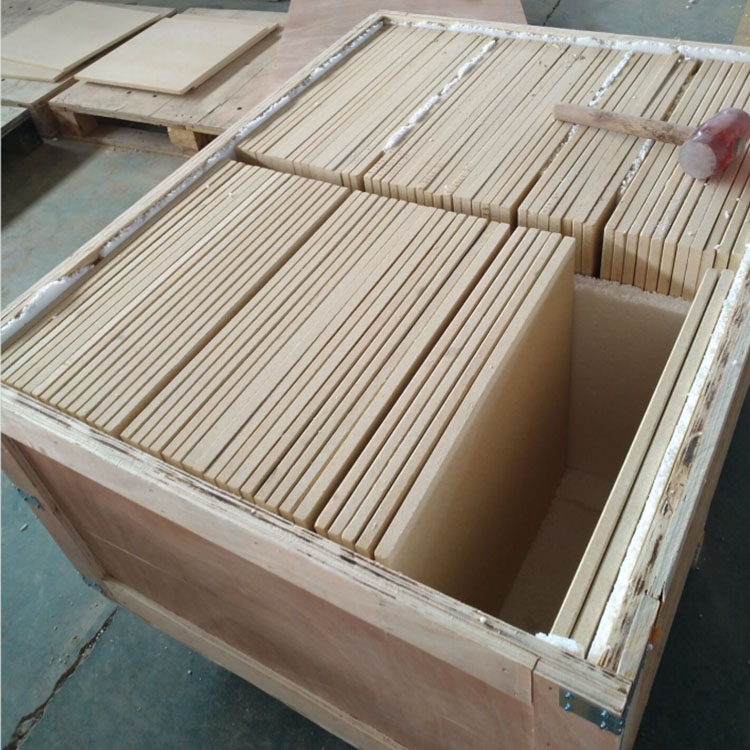
Calcium silicate's unique composition—typically 60-70% crystalline silica, 15-20% calcium oxide, and additives—requires specialized cutting methods to avoid material fracture and dust generation. When cutting Sunrise fire-resistant boards, maintain a blade speed of 3,500-4,500 RPM with a diamond grit blade featuring 10-14 teeth per inch for optimal results.
Proper dust management is critical during cutting. Studies show that effective dust collection systems reduce respirable silica exposure by up to 90%. Always connect cutting tools to industrial-grade vacuum systems and wear appropriate respiratory protection.
The fastening system must withstand not only static loads but also thermal expansion and contraction cycles. In high-temperature applications (800-1050°C), thermal expansion coefficients of 0.000008-0.000012 mm/mm°C must be accounted for in fastener spacing and selection.
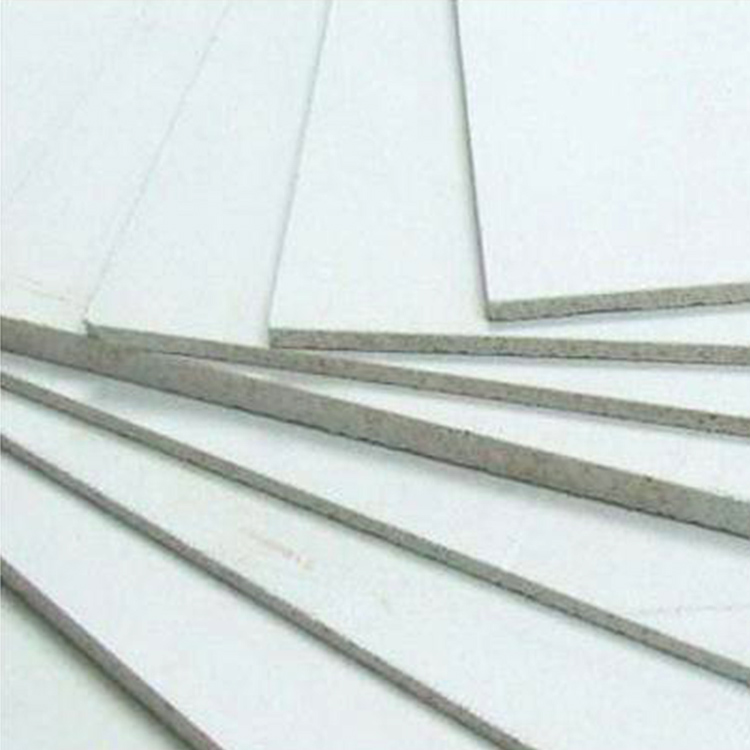
| Board Thickness | Fastener Type | Fastener Length | Spacing (Horizontal/Vertical) |
|---|---|---|---|
| 25-50mm | Stainless steel self-drilling screws | 50-75mm | 300mm / 400mm |
| 50-75mm | Stainless steel expansion anchors | 75-100mm | 250mm / 350mm |
| 75-100mm | Stainless steel through-bolts | 120-150mm | 200mm / 300mm |
When installing fasteners, pre-drill holes 2mm larger than the fastener diameter to accommodate thermal movement. countersink fastener heads slightly (1-2mm) to allow for sealant coverage, and never overtighten, which can cause board cracking or compression damage.
Even the highest-quality insulation boards lose up to 30% of their effectiveness without proper seam treatment. For Sunrise calcium silicate boards in high-temperature applications, follow these proven techniques:
Butt joints should be tight (maximum 2mm gap) and offset in a brickwork pattern to minimize heat transfer. Fill all joints with high-temperature ceramic fiber tape (minimum 1260°C rating) before applying a 3-5mm bead of calcium silicate-compatible sealant. Tool the sealant with a rounded spatula for a smooth finish that prevents air ingress.
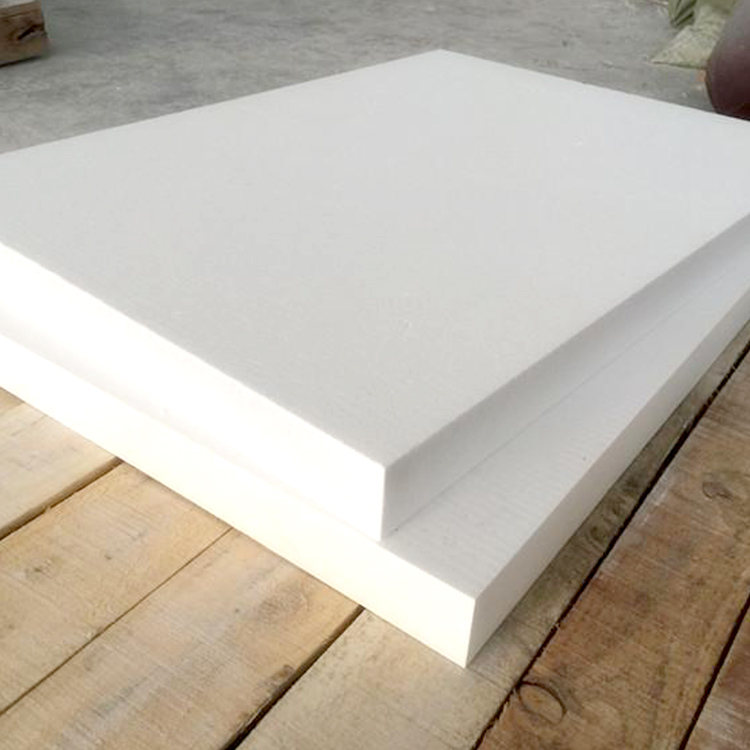
In humid or outdoor environments, apply a breathable silicone-based waterproof coating to the exterior surface. This reduces moisture absorption by up to 95% while maintaining vapor permeability. Pay special attention to penetrations and edge details, which are common sources of water ingress.
"In power plant applications, we've found that a two-stage sealing process significantly improves long-term performance," notes James Wilson, senior insulation engineer with 15 years of experience. "First apply a base coat of sealant, then reinforce with fiberglass mesh tape before applying a final top coat. This method has reduced maintenance issues by 40% in our installations."
Regular inspection and maintenance extend the service life of calcium silicate insulation systems by 3-5 years. Schedule quarterly visual inspections, with thorough thermal imaging assessments annually. Look for signs of: thermal bridging (indicated by temperature differentials greater than 10°C), sealant degradation, or board displacement.
When troubleshooting common issues:
Download our comprehensive Sunrise Calcium Silicate Installation Handbook featuring: detailed CAD drawings, material selection guides, and case studies from industrial installations worldwide.
Get Your Free Installation GuideProper installation of calcium silicate insulation boards is both a science and an art. By following these industry-proven techniques and leveraging Sunrise's decades of manufacturing expertise, you can ensure optimal thermal performance, safety compliance, and long-term reliability for your high-temperature industrial applications. Remember that investing time in proper installation pays dividends through reduced energy costs, fewer maintenance issues, and extended system lifespan.
 imported tabular alumina insulation bricks
industrial kiln energy-saving refractory bricks
high-purity fused alumina
thermal shock resistant refractory materials
furnace lining energy-saving solutions
Industrial kiln refractory brick masonry techniques
Electric porcelain drawer kiln construction optimization
High - temperature kiln energy - saving transformation
Mullite insulation brick application
Refractory material construction standards
mullite insulating bricks
low thermal conductivity refractory bricks
industrial kiln energy saving
high-temperature shuttle kiln sintering
thermal shock resistance
Low thermal conductivity insulating refractory bricks
Mullite insulating bricks
Industrial furnace energy - saving materials
Refractory material selection guide
High - temperature furnace energy - saving transformation
low density silica insulating fire brick
high temperature refractory material
thermal insulation performance
glass furnace refractory
industrial energy saving solution
imported tabular alumina insulation bricks
industrial kiln energy-saving refractory bricks
high-purity fused alumina
thermal shock resistant refractory materials
furnace lining energy-saving solutions
Industrial kiln refractory brick masonry techniques
Electric porcelain drawer kiln construction optimization
High - temperature kiln energy - saving transformation
Mullite insulation brick application
Refractory material construction standards
mullite insulating bricks
low thermal conductivity refractory bricks
industrial kiln energy saving
high-temperature shuttle kiln sintering
thermal shock resistance
Low thermal conductivity insulating refractory bricks
Mullite insulating bricks
Industrial furnace energy - saving materials
Refractory material selection guide
High - temperature furnace energy - saving transformation
low density silica insulating fire brick
high temperature refractory material
thermal insulation performance
glass furnace refractory
industrial energy saving solution