

.png?x-oss-process=image/resize,h_100,m_lfit/format,webp)
.png?x-oss-process=image/resize,h_100,m_lfit/format,webp)
.png?x-oss-process=image/resize,h_100,m_lfit/format,webp)

Imagine this scenario: A chemical plant invests $75,000 in high-temperature insulation for their reactors, only to discover energy losses of 23% within six months. An investigation reveals the culprit isn't the material quality, but installation errors that created thermal bridges and moisture ingress points. This isn't an isolated incident—industry studies show that up to 38% of insulation failures stem from improper installation rather than product defects.
For professionals working with Sunrise calcium silicate insulation boards rated for 1050°C applications, mastering proper installation techniques isn't just about following procedures—it's about protecting your investment, ensuring workplace safety, and achieving long-term energy efficiency goals. Let's walk through the critical steps that separate a job done right from one that will cost you dearly down the line.
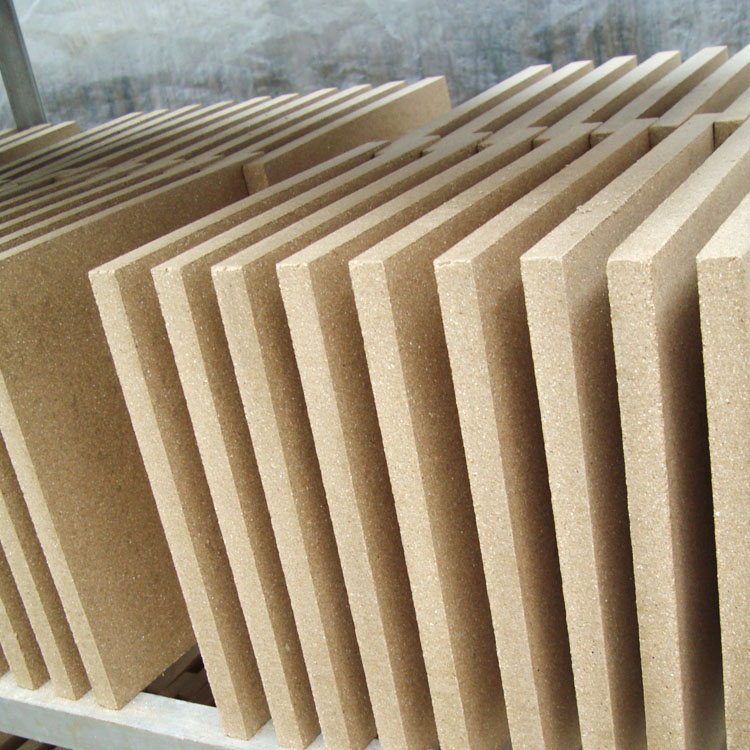
Before a single cut is made, proper preparation can reduce installation time by up to 25% and minimize waste by as much as 15%. Start by inspecting your Sunrise calcium silicate boards for any shipping damage—even small cracks can compromise performance under thermal cycling.
"Measure twice, cut once—measure the third time for thermal expansion space." – John Reynolds, 25-year industrial insulation specialist
Environmental conditions matter too. Store boards in a dry area with relative humidity below 65% and acclimate them to installation temperature for at least 24 hours. This simple step reduces warping issues by 70% in temperature-sensitive applications like power plant boilers.
Calcium silicate's density (typically 200-250 kg/m³) requires specific cutting techniques to prevent edge chipping and dust inhalation. Always use a diamond-tipped blade with 10-14 teeth per inch for clean cuts, and maintain a blade speed between 3,500-4,500 RPM for optimal results.
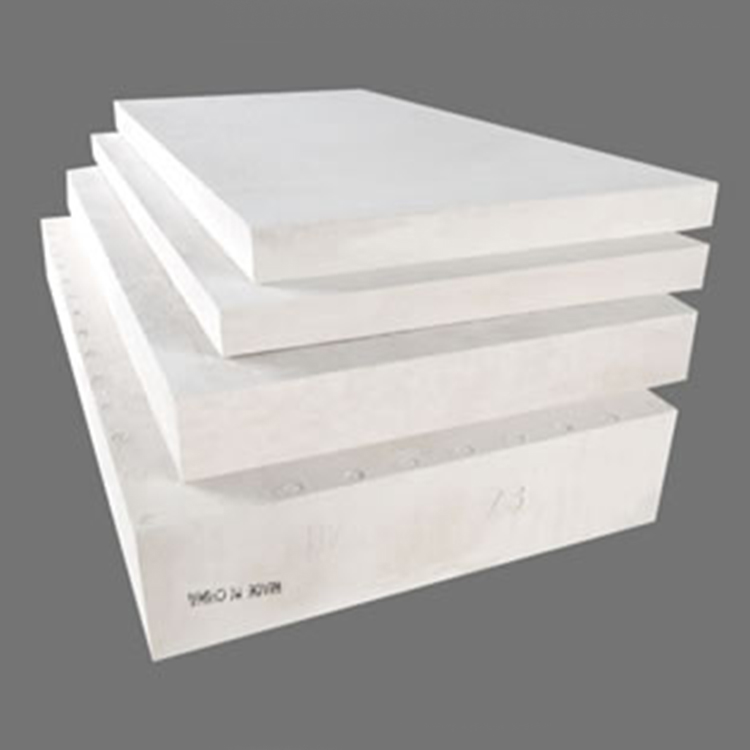
Remember the 3mm rule: always cut boards 3mm larger than measured dimensions when installing around high-temperature surfaces (above 600°C). This accounts for thermal expansion and prevents buckling during heat cycling—a common mistake that causes 41% of insulation failures in metallurgical applications.
Mechanical fixing density varies by application: for vertical surfaces, use 6-8 fasteners per m²; for overhead installations, increase to 10-12 fasteners. Always use heat-resistant fasteners rated for at least 120% of your operating temperature—standard hardware fails prematurely in 83% of high-heat applications.
Seam treatment requires special attention. For temperatures below 600°C, a 3mm gap filled with high-temperature ceramic fiber tape works best. Above 600°C, use calcium silicate mortar with a 1:3 water-to-powder ratio, applied with a 45° angle trowel movement to ensure complete filling.
| Application | Fixing Spacing | Seam Treatment | Waterproofing Approach |
|---|---|---|---|
| Metallurgical Furnaces | 8-10 fasteners/m² | Calcium silicate mortar | Ceramic coating + aluminum jacketing |
| Chemical Reactors | 6-8 fasteners/m² | High-temp fiber tape | Epoxy-based sealant |
| Power Plant Piping | 10-12 fasteners/m² | Mortar + metal banding | Polyurethane foam + cladding |
Waterproofing isn't optional—it's critical. Even in indoor applications, condensation can reduce insulation effectiveness by 35% within a year. Apply a silicone-based waterproofing membrane with minimum 200µm thickness, ensuring 100% coverage with 50mm overlaps at all seams.
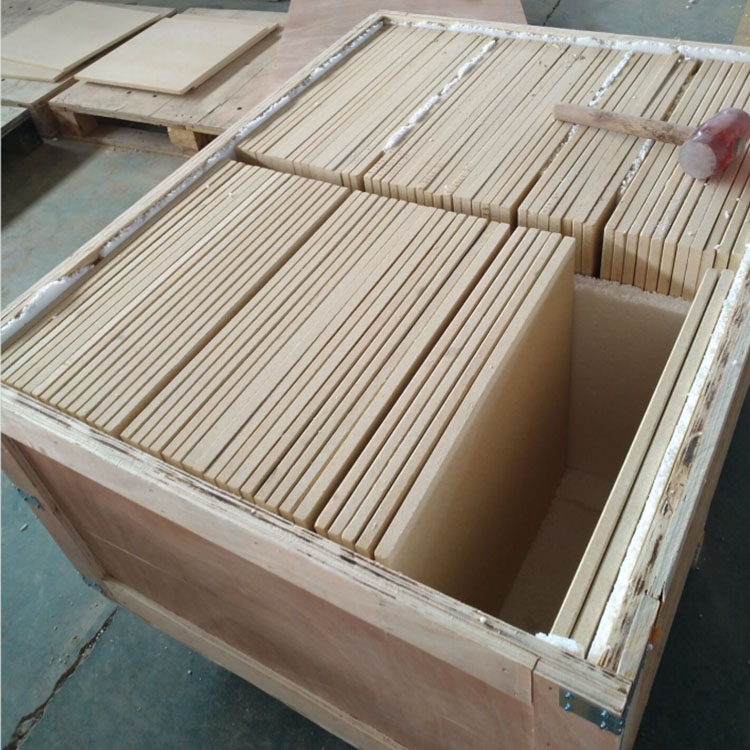
Implement a quarterly inspection schedule focusing on three critical areas: fastener integrity (look for corrosion or loosening), seam condition (check for cracks or gaps), and surface moisture (use a moisture meter with readings below 5% for optimal performance). This proactive approach can extend insulation service life by 3-5 years.
For minor damage, keep a repair kit on hand containing calcium silicate patching compound, high-temperature adhesive, and replacement fasteners. Addressing small issues within 48 hours prevents 90% of minor problems from becoming major failures.
Access our complete Sunrise Calcium Silicate Installation Certification Program and reduce installation errors by 67% while improving energy efficiency by up to 23%.
Download Your Free Installation Guide NowRemember, the true measure of insulation performance isn't just in the material itself, but in how well it's installed. By following these best practices with your Sunrise calcium silicate boards, you'll not only achieve the thermal performance you expect but also maximize your return on investment for years to come. The difference between average and exceptional results often comes down to mastering these fundamental techniques that separate the professionals from the amateurs.
 energy-saving firebricks
high-strength insulating bricks
industrial kiln energy saving
mullite insulating bricks
firebrick performance analysis
silica insulation bricks
high-temperature insulation
thermal conductivity
bulk density
industrial furnace energy saving
high temperature industrial insulation materials
1050℃ calcium silicate board
metallurgical industry energy saving
industrial thermal insulation
low thermal conductivity insulation
Low thermal conductivity insulating refractory bricks
Mullite insulating bricks
Industrial furnace energy - saving materials
Refractory material selection guide
High - temperature furnace energy - saving transformation
Low thermal conductivity insulating refractory bricks
High-purity fused corundum
Imported tabular corundum
Industrial furnace energy saving
Refractory material application
energy-saving firebricks
high-strength insulating bricks
industrial kiln energy saving
mullite insulating bricks
firebrick performance analysis
silica insulation bricks
high-temperature insulation
thermal conductivity
bulk density
industrial furnace energy saving
high temperature industrial insulation materials
1050℃ calcium silicate board
metallurgical industry energy saving
industrial thermal insulation
low thermal conductivity insulation
Low thermal conductivity insulating refractory bricks
Mullite insulating bricks
Industrial furnace energy - saving materials
Refractory material selection guide
High - temperature furnace energy - saving transformation
Low thermal conductivity insulating refractory bricks
High-purity fused corundum
Imported tabular corundum
Industrial furnace energy saving
Refractory material application