

.png?x-oss-process=image/resize,h_100,m_lfit/format,webp)
.png?x-oss-process=image/resize,h_100,m_lfit/format,webp)
.png?x-oss-process=image/resize,h_100,m_lfit/format,webp)

"In industrial insulation systems, thermal conductivity and temperature resistance aren't just specifications—they're the critical factors that determine energy efficiency, operational safety, and long-term cost savings." — Dr. James Wilson, Materials Science Researcher at Industrial Thermal Solutions Institute
When it comes to industrial insulation materials, few options offer the balance of thermal efficiency, structural integrity, and temperature resistance that calcium silicate boards provide. For engineers specifying materials for piping systems, boilers, and kilns, understanding the thermal properties of these boards isn't just technical due diligence—it directly impacts system performance and operational costs over decades of service.
Sunrise calcium silicate boards have established a reputation in industrial applications where maintaining stable temperatures and minimizing heat transfer is critical. Let's examine the core thermal properties that make these boards an essential component in modern industrial insulation systems.
Thermal conductivity, measured in W/(m·K), represents a material's ability to conduct heat. In industrial insulation, lower values indicate better insulating performance. Calcium silicate boards typically exhibit thermal conductivity ranging from 0.045 to 0.065 W/(m·K) at 25°C, depending on density and manufacturing processes.
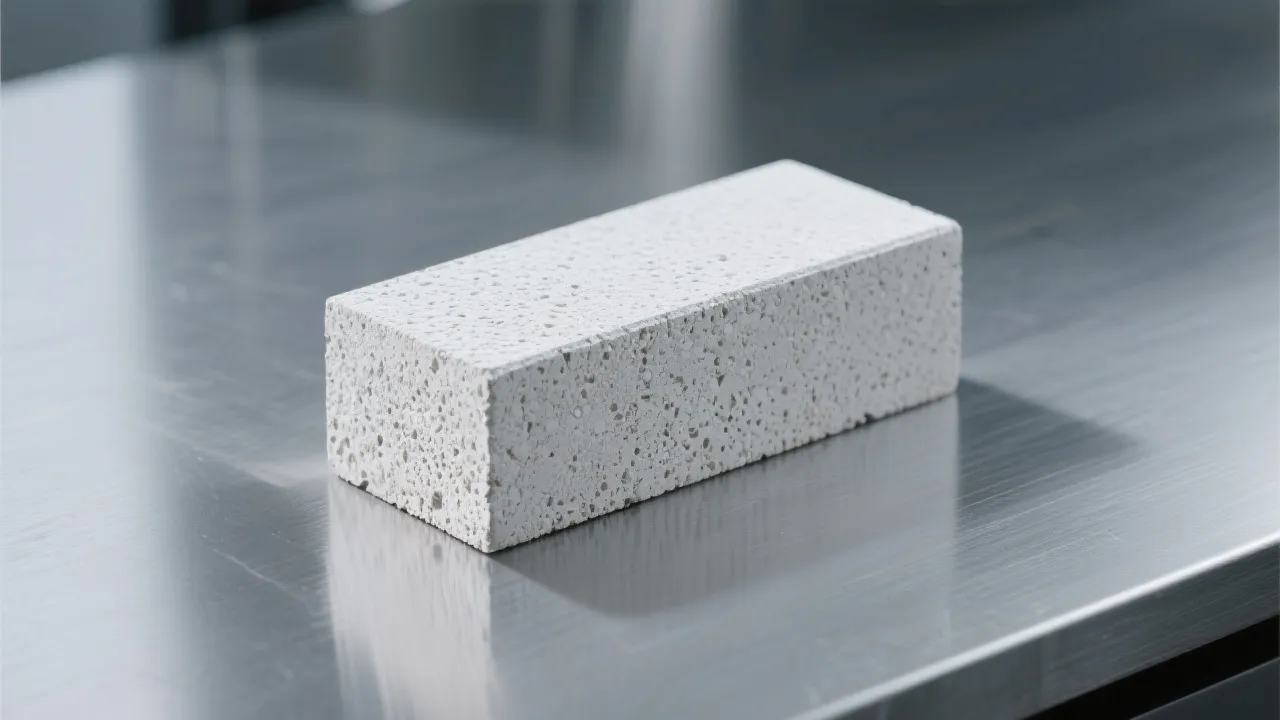
This impressive thermal efficiency stems from the material's unique microstructure—a matrix of calcium silicate hydrates combined with reinforcing fibers that create millions of tiny air pockets. These air pockets disrupt heat transfer through conduction and convection, while the inherent properties of the calcium silicate crystals resist radiant heat transfer.

Industrial environments demand materials that can withstand extreme temperatures without compromising performance. Calcium silicate boards excel in this regard, with typical continuous operating temperatures ranging from -40°C to 650°C for standard grades, and specialized formulations available for short-term exposure up to 1000°C.
What truly distinguishes quality calcium silicate boards like those from Sunrise is their structural stability under thermal stress. Unlike organic insulation materials that may char or shrink at high temperatures, calcium silicate maintains its shape and mechanical strength even after prolonged exposure to elevated temperatures. This stability prevents dangerous gaps in insulation systems that could lead to energy loss or equipment damage.
Engineering tests demonstrate that properly installed calcium silicate boards can maintain dimensional stability within ±2% even after 10,000 hours of exposure to 600°C—a critical factor for long-term system reliability in industrial settings.
Calcium silicate boards are available in various density grades, each offering specific advantages for different applications. Understanding how density affects thermal performance is key to optimized material selection:

| Density Range (kg/m³) | Thermal Conductivity (W/(m·K)) | Primary Applications |
|---|---|---|
| 100-150 | 0.055-0.065 | General pipe insulation, moderate temperature systems |
| 150-200 | 0.045-0.055 | High-temperature piping, boiler insulation, industrial ovens |
| 200-250 | 0.050-0.060 | Load-bearing applications, structural insulation components |
The unique combination of thermal properties in calcium silicate boards makes them indispensable across various industrial sectors. In chemical processing plants, they maintain stable temperatures in piping systems carrying volatile materials. In power generation facilities, they insulate boilers and turbines, reducing energy loss by up to 35% compared to traditional insulation materials.
One particularly demanding application is in cement manufacturing, where kiln shells operate at temperatures exceeding 1000°C. Here, calcium silicate boards provide a critical thermal barrier that protects equipment and personnel while improving energy efficiency. Recent case studies show that upgrading to high-performance calcium silicate insulation can reduce fuel consumption by 8-12% in these applications.
Selecting the right calcium silicate board requires careful consideration of operating temperatures, thermal conductivity requirements, and structural demands. Our team of technical specialists can help you:
When specifying insulation materials for industrial applications, making informed decisions based on accurate thermal performance data is essential. Calcium silicate boards offer a proven combination of low thermal conductivity, high temperature resistance, and structural stability that can significantly enhance system efficiency and safety.
By understanding how these thermal properties translate to real-world performance, engineers and facility managers can select the optimal insulation solution that balances immediate costs with long-term operational savings. With the right technical approach to material selection, industrial facilities can achieve sustainable energy efficiency while maintaining the highest standards of safety and reliability.
 low thermal conductivity insulating firebrick
industrial kiln energy saving
fused alumina refractory
refractory material technology
kiln lining retrofit
imported tabular alumina insulation bricks
industrial kiln energy-saving refractory bricks
high-purity fused alumina
thermal shock resistant refractory materials
furnace lining energy-saving solutions
industrial kiln refractory bricks
mullite insulating bricks
high-efficiency masonry technology
refractory mortar reduction
kiln energy-saving retrofit
mullite insulating brick
low thermal conductivity refractory
industrial furnace energy saving material
shuttle kiln sintering process
ultrafine powder additive technology
low thermal conductivity insulating refractory bricks
industrial kiln energy-saving materials
mullite insulating bricks
refractory material selection guide
high-temperature kiln energy efficiency
low thermal conductivity insulating firebrick
industrial kiln energy saving
fused alumina refractory
refractory material technology
kiln lining retrofit
imported tabular alumina insulation bricks
industrial kiln energy-saving refractory bricks
high-purity fused alumina
thermal shock resistant refractory materials
furnace lining energy-saving solutions
industrial kiln refractory bricks
mullite insulating bricks
high-efficiency masonry technology
refractory mortar reduction
kiln energy-saving retrofit
mullite insulating brick
low thermal conductivity refractory
industrial furnace energy saving material
shuttle kiln sintering process
ultrafine powder additive technology
low thermal conductivity insulating refractory bricks
industrial kiln energy-saving materials
mullite insulating bricks
refractory material selection guide
high-temperature kiln energy efficiency