

.png?x-oss-process=image/resize,h_100,m_lfit/format,webp)
.png?x-oss-process=image/resize,h_100,m_lfit/format,webp)
.png?x-oss-process=image/resize,h_100,m_lfit/format,webp)

In an era where industrial energy efficiency has become a critical factor for operational sustainability and competitive advantage, high-temperature insulation solutions are gaining unprecedented attention. For metallurgical enterprises operating kilns and furnaces, reducing heat loss directly translates to significant cost savings and environmental benefits. This article explores how 1050℃ refractory calcium silicate insulation boards are revolutionizing thermal management in high-temperature industrial processes.
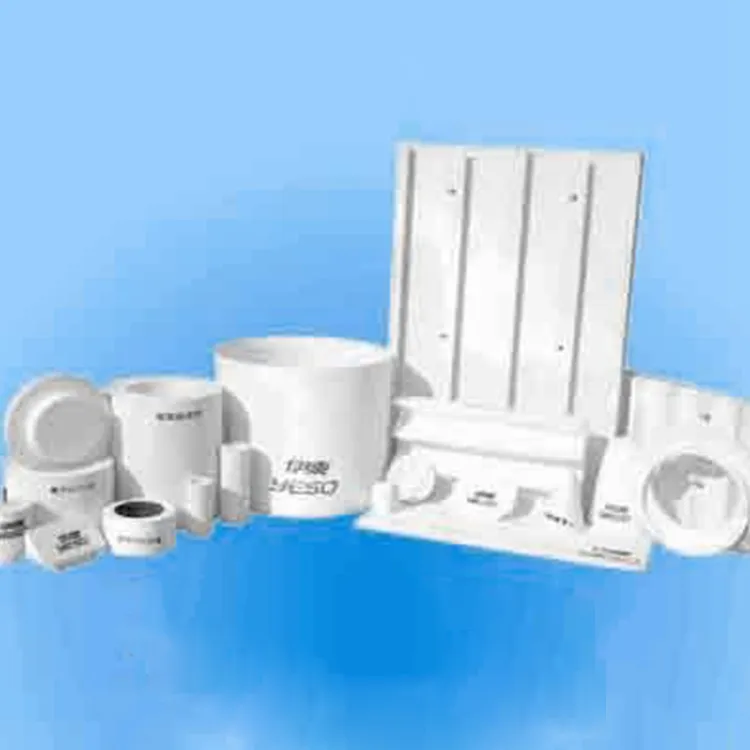
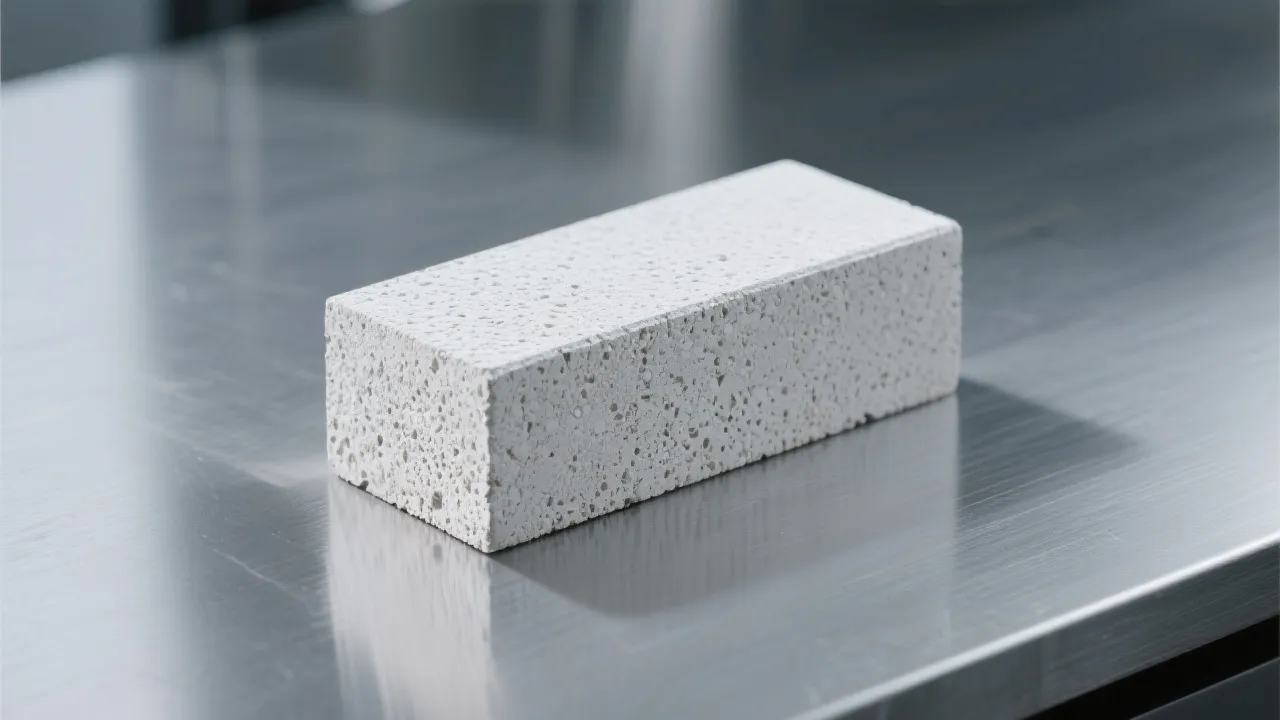
Traditional high-temperature insulation materials have long struggled to balance thermal performance, mechanical strength, and installation practicality. The Sunrise 1050℃ refractory calcium silicate insulation board addresses these challenges through an innovative composite structure that incorporates wood fiber reinforcement into a precisely engineered silicate matrix.
The wood fiber reinforcement mechanism creates a unique microstructure that enhances both thermal insulation and mechanical integrity. This advanced formulation allows the material to maintain structural stability even under thermal cycling conditions common in metallurgical processes, where temperatures can fluctuate dramatically during production cycles.
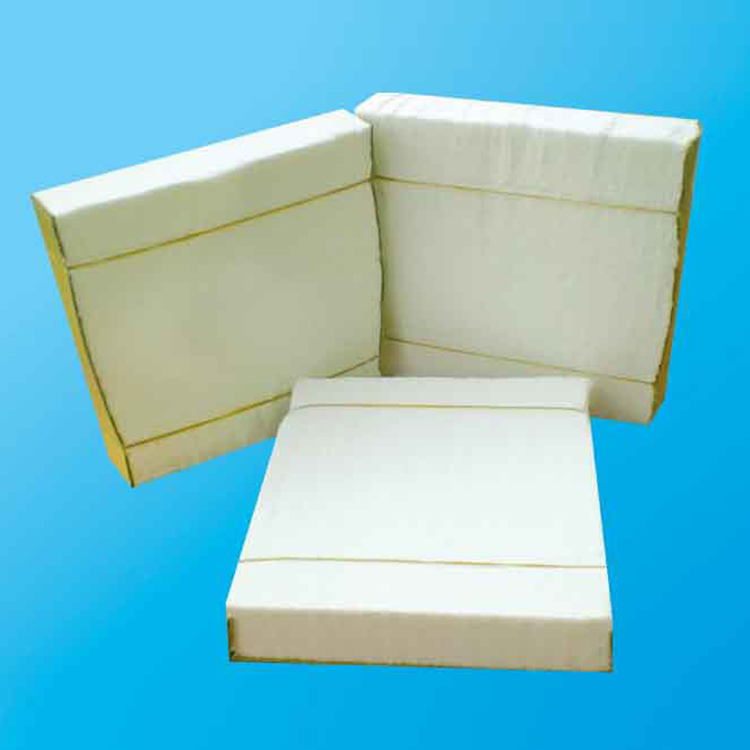
Metallurgical kilns represent some of the most challenging thermal environments in industrial operations. A typical steel reheating furnace can lose up to 30% of its energy through its walls and roof, according to data from the International Energy Agency (IEA). The implementation of high-performance insulation directly addresses this inefficiency.
Application: 12-meter continuous annealing furnace at a European steel mill
Previous Insulation: Ceramic fiber modules (operating at 950°C)
Upgrade: Sunrise 1050℃ calcium silicate insulation boards (100mm thickness)
Results After 6 Months:
"The installation of Sunrise calcium silicate boards has transformed our furnace operations," noted Martin Weber, Plant Engineer at the facility. "We've not only achieved significant energy savings but also improved working conditions due to reduced external surface temperatures."
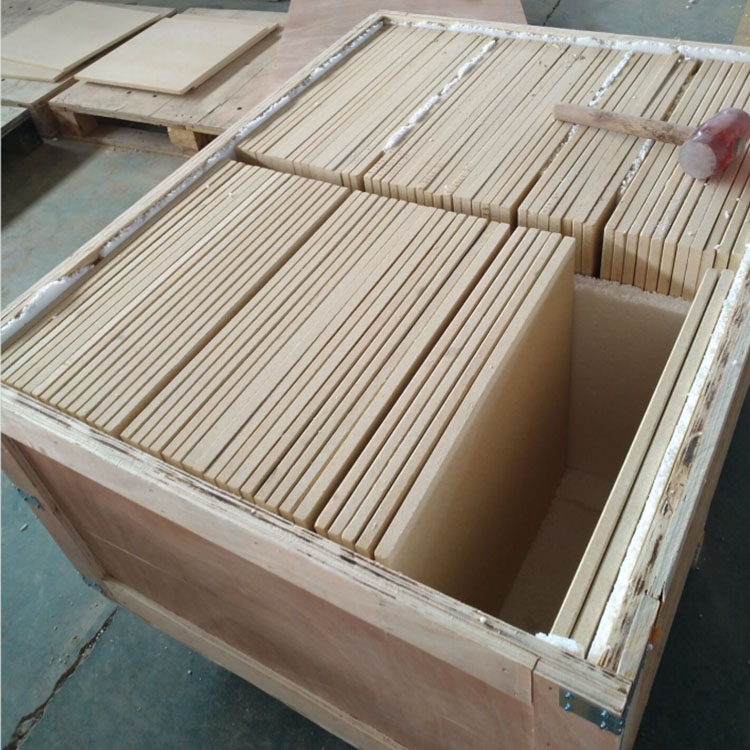
Modern industrial materials must deliver more than just technical performance—they must align with evolving safety regulations and sustainability goals. The Sunrise 1050℃ calcium silicate insulation board excels in these areas through multiple advantages:
Unlike traditional asbestos-containing insulation materials or ceramic fibers that can cause respiratory issues, calcium silicate boards are inherently safe when properly handled. The material is:
The lightweight nature (200-250 kg/m³) and dimensional stability of calcium silicate boards significantly reduce installation time compared to traditional refractory materials. A typical furnace lining project can be completed in 30-40% less time, minimizing production downtime.
Furthermore, the material's low water absorption (<15% by volume) and excellent thermal shock resistance ensure a service life of 10-15 years in typical metallurgical applications, compared to 5-7 years for conventional ceramic fiber systems.

As industrial sustainability regulations tighten worldwide, particularly in the EU and North America, material selection has become a critical component of corporate environmental strategies. The energy savings enabled by high-performance insulation directly contribute to Scope 1 and Scope 2 emissions reductions.
Sunrise 1050℃ calcium silicate insulation boards meet or exceed the following international standards:
These certifications not only ensure product quality and performance but also facilitate market access in regions with strict environmental regulations, providing manufacturers with a competitive edge in global markets.
Download our comprehensive technical guide: "Optimizing Metallurgical Kiln Performance with Advanced Calcium Silicate Insulation"
Get Your Free Technical GuideThe information provided in this article is based on industry research, third-party testing, and real-world application data. Individual results may vary based on specific operating conditions and installation practices. Always consult with technical professionals before implementing new insulation solutions.
 Mullite insulation bricks
Industrial kiln refractory bricks
Rapid masonry
Energy - saving refractory materials
Kiln maintenance costs
low thermal conductivity refractory brick
mullite insulating brick
furnace lining stability
industrial furnace energy efficiency
thermal shock resistant refractory
Low thermal conductivity insulating refractory bricks
Petroleum cracking kiln energy saving
Metallurgical blast furnace refractory materials
Furnace lining life extension
Industrial kiln energy-saving technology
energy-saving refractory bricks
high-strength insulating bricks
industrial furnace insulation materials
petrochemical cracking furnace refractory
metallurgical blast furnace lining
low thermal conductivity firebrick
insulating refractory brick
industrial kiln energy saving
fused alumina refractory
high temperature shuttle kiln sintering
Mullite insulation bricks
Industrial kiln refractory bricks
Rapid masonry
Energy - saving refractory materials
Kiln maintenance costs
low thermal conductivity refractory brick
mullite insulating brick
furnace lining stability
industrial furnace energy efficiency
thermal shock resistant refractory
Low thermal conductivity insulating refractory bricks
Petroleum cracking kiln energy saving
Metallurgical blast furnace refractory materials
Furnace lining life extension
Industrial kiln energy-saving technology
energy-saving refractory bricks
high-strength insulating bricks
industrial furnace insulation materials
petrochemical cracking furnace refractory
metallurgical blast furnace lining
low thermal conductivity firebrick
insulating refractory brick
industrial kiln energy saving
fused alumina refractory
high temperature shuttle kiln sintering