

.png?x-oss-process=image/resize,h_100,m_lfit/format,webp)
.png?x-oss-process=image/resize,h_100,m_lfit/format,webp)
.png?x-oss-process=image/resize,h_100,m_lfit/format,webp)

In today's industrial landscape, where operational efficiency and sustainability have become critical success factors, the choice of high-temperature insulation materials directly impacts energy consumption, equipment performance, and long-term operational costs. This comprehensive guide explores how 1050°C calcium silicate insulation boards are revolutionizing thermal management in extreme industrial environments.
Industrial processes operating at elevated temperatures face a fundamental challenge: how to contain heat efficiently while ensuring operational safety and energy optimization. Traditional insulation materials often fail under extreme conditions, leading to significant heat loss, increased energy consumption, and potential safety hazards.
Industry Insight:
According to the International Energy Agency (IEA), industrial heat loss through inefficient insulation accounts for approximately 15% of total industrial energy consumption, representing a substantial opportunity for energy savings and carbon reduction.
High-temperature environments in metallurgical processes, chemical reactors, and power generation facilities demand insulation solutions that can maintain structural integrity and thermal performance at continuous operating temperatures exceeding 1000°C. This is where advanced calcium silicate insulation technology demonstrates its superior value proposition.
Calcium silicate insulation boards represent a technological advancement in high-temperature insulation. Composed of calcium silicate hydrates reinforced with inorganic fibers, these boards are manufactured through a controlled autoclaving process that ensures uniform density and exceptional thermal properties. The resulting material offers a unique combination of low thermal conductivity, high compressive strength, and remarkable dimensional stability under thermal cycling.
| Property | Specification | Significance |
|---|---|---|
| Maximum Continuous Use Temperature | 1050°C (1922°F) | Enables use in extreme high-temperature industrial processes |
| Thermal Conductivity (at 400°C) | ≤0.06 W/m·K | Minimizes heat transfer, reducing energy consumption |
| Compressive Strength | ≥0.8 MPa | Resists structural deformation under load |
| Density | 200-250 kg/m³ | Lightweight yet structurally stable |
| Water Absorption | ≤15% by volume | Maintains performance in humid environments |
When evaluating insulation materials for high-temperature applications, performance under thermal stress is the critical differentiator. Traditional materials such as ceramic fiber blankets and refractory bricks present significant limitations compared to modern calcium silicate boards.
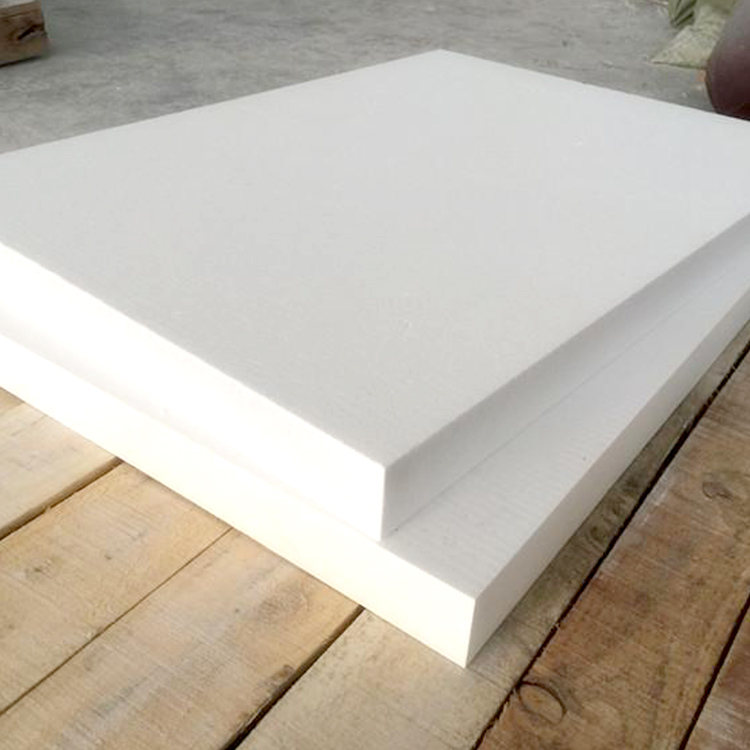
Unlike fiber-based insulation materials that can experience fiber migration and structural degradation at temperatures above 800°C, calcium silicate insulation maintains its physical integrity and thermal performance even at continuous operating temperatures up to 1050°C. This stability translates to longer service life and reduced maintenance requirements.
Technical Standard Reference:
ISO 12241:2019 specifies the test methods for evaluating high-temperature insulation materials, including thermal conductivity measurement and dimensional stability under thermal cycling, which calcium silicate boards consistently exceed.
Calcium silicate boards offer superior compressive strength compared to traditional insulation materials, making them resistant to mechanical damage during installation and operation. This structural integrity eliminates the common issues of material settlement and void formation that compromise insulation performance over time.
The versatility and performance characteristics of 1050°C calcium silicate insulation boards make them ideal for various industrial applications. From metallurgical furnaces to chemical processing equipment, these boards deliver measurable operational benefits.
In steel and aluminum production, where temperatures regularly exceed 1000°C, Sunrise calcium silicate insulation boards provide critical thermal containment for furnaces, ladles, and hot rolling equipment. The material's low thermal conductivity reduces heat loss by up to 40% compared to traditional refractory linings, resulting in significant energy savings.
Chemical reactors, distillation columns, and high-temperature piping systems benefit from the exceptional thermal stability of calcium silicate insulation. The material's resistance to chemical attack and low water absorption make it particularly suitable for process environments where moisture and corrosive elements are present.
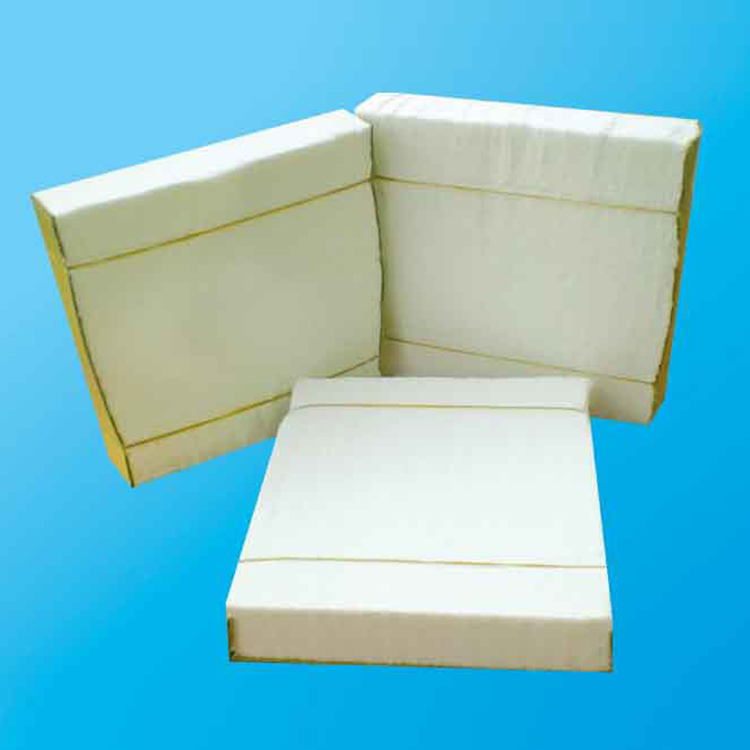
Boilers, turbines, and exhaust systems in power plants operate under extreme temperature conditions where insulation performance directly impacts energy efficiency. Calcium silicate boards have been shown to reduce surface temperatures by up to 80% compared to uninsulated surfaces, enhancing safety while minimizing heat loss and improving overall plant efficiency.
Beyond immediate performance advantages, calcium silicate insulation contributes significantly to sustainability goals and long-term cost savings. The material's durability and thermal efficiency directly address two critical aspects of modern industrial operations: energy conservation and reduced environmental impact.
As industrial facilities face increasing pressure to reduce their environmental impact and meet sustainability targets, the role of high-performance insulation becomes even more critical. Calcium silicate insulation supports these goals by minimizing energy consumption while providing a durable, long-lasting solution that reduces the need for frequent material replacement.
Discover how Sunrise calcium silicate insulation boards can transform your industrial operations through enhanced energy efficiency, improved safety, and reduced environmental impact.
Download the Complete Technical Specification GuideMaking informed decisions about high-temperature insulation requires careful consideration of material properties, application requirements, and long-term performance. By selecting insulation solutions that provide superior thermal efficiency, structural stability, and durability, industrial operators can achieve significant operational improvements while contributing to broader sustainability objectives.
The technical advancements in calcium silicate insulation technology represent a critical investment in operational excellence, offering both immediate performance benefits and long-term economic returns. As industries continue to evolve toward more efficient and sustainable practices, the role of advanced insulation materials will only grow in importance.
 Energy-saving refractory bricks
High-strength insulating bricks
Industrial kiln energy saving
Mullite insulating bricks
High-temperature shuttle kiln sintering
calcium silicate insulation board installation
refractory insulation board construction
high-temperature insulation material installation
calcium silicate board cutting
insulation board fixing methods
energy-saving refractory bricks
high-strength insulation bricks
industrial kiln efficiency
fused alumina refractories
thermal conductivity reduction
Tunnel kiln refractory bricks
Mullite insulation bricks
Industrial kiln masonry
Refractory mortar saving
Kiln structure stability
refractory brick masonry
mullite insulation brick
tunnel kiln stability
industrial furnace construction
refractory mortar optimization
Energy-saving refractory bricks
High-strength insulating bricks
Industrial kiln energy saving
Mullite insulating bricks
High-temperature shuttle kiln sintering
calcium silicate insulation board installation
refractory insulation board construction
high-temperature insulation material installation
calcium silicate board cutting
insulation board fixing methods
energy-saving refractory bricks
high-strength insulation bricks
industrial kiln efficiency
fused alumina refractories
thermal conductivity reduction
Tunnel kiln refractory bricks
Mullite insulation bricks
Industrial kiln masonry
Refractory mortar saving
Kiln structure stability
refractory brick masonry
mullite insulation brick
tunnel kiln stability
industrial furnace construction
refractory mortar optimization