

.png?x-oss-process=image/resize,h_100,m_lfit/format,webp)
.png?x-oss-process=image/resize,h_100,m_lfit/format,webp)
.png?x-oss-process=image/resize,h_100,m_lfit/format,webp)

In today's energy-intensive industrial landscape, where operating temperatures often exceed 1000°C, the choice of insulation material directly impacts operational efficiency, safety compliance, and environmental sustainability. Industries ranging from metallurgy to chemical processing face the dual challenge of maintaining process integrity while reducing energy consumption—a challenge that has made advanced insulation solutions more critical than ever before.
For decades, industrial operations relied on conventional insulation materials that often fell short in extreme temperature environments:
These limitations translate directly to operational challenges: increased energy loss (often exceeding 25% in unoptimized systems), higher maintenance costs, and compromised safety margins in critical processes.
"A 2022 study by the International Energy Agency found that industrial heat loss through inefficient insulation represents approximately 11% of total industrial energy consumption globally—equivalent to 1.2 billion tons of CO₂ emissions annually."
Modern calcium silicate insulation technology, exemplified by Sunrise high-performance boards, addresses these challenges through a unique combination of material science and engineering innovation. The key technical parameters that distinguish these advanced insulation solutions include:
These technical characteristics translate to tangible operational benefits. The low thermal conductivity directly reduces heat transfer through equipment surfaces, while the high-temperature capability ensures material stability even in extreme process conditions.
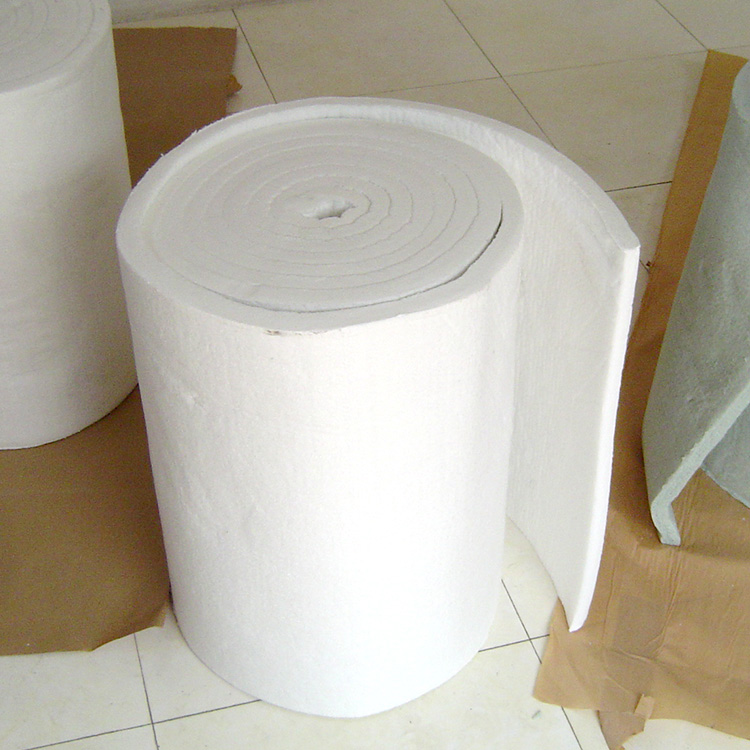
Understanding the distinct applications for standard and refractory-grade calcium silicate insulation ensures optimal performance and cost-effectiveness:
| Property | Standard Microporous | Refractory-Grade |
|---|---|---|
| Max Temperature | 900°C | 1050°C |
| Typical Applications | Steam pipes, hot air ducts, industrial ovens | Kilns, furnaces, high-temperature reactors |
| Thermal Conductivity (at 600°C) | 0.070 W/(m·K) | 0.065 W/(m·K) |
| Installation Considerations | Standard cutting tools, straightforward installation | Requires heat-resistant fasteners, professional installation |
Real-world implementations across key industries demonstrate the transformative impact of high-performance calcium silicate insulation:
A leading steel manufacturer replaced traditional refractory bricks with Sunrise 1050°C calcium silicate boards in their continuous casting tundish. The results after 12 months of operation included:
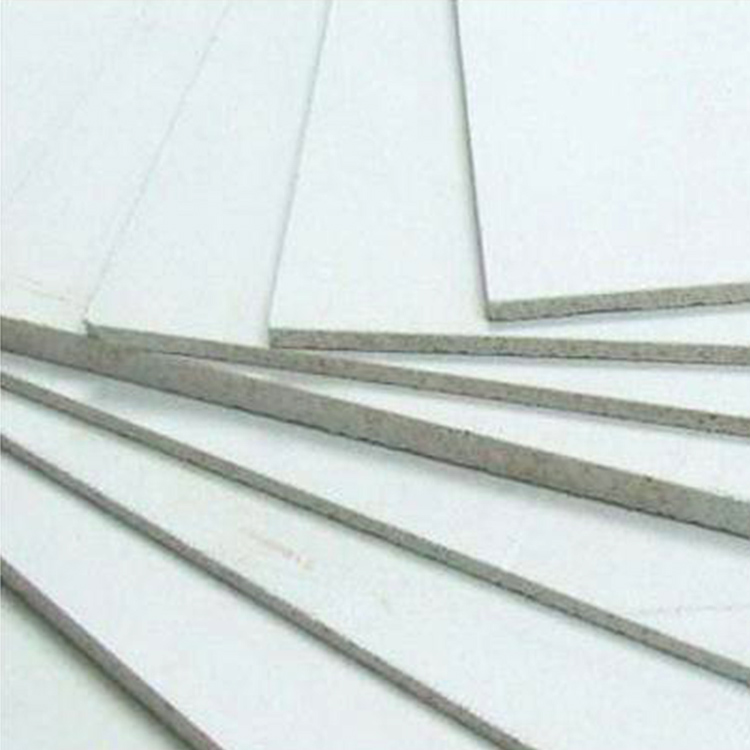
A chemical plant specializing in petrochemical processing retrofitted three 850°C reactors with refractory-grade calcium silicate insulation, resulting in:
When specifying high-temperature insulation materials, adherence to recognized industry standards is essential for ensuring performance and safety. Premium calcium silicate insulation boards should comply with:
These standards ensure consistent performance metrics, safety considerations, and quality control throughout the manufacturing process, providing engineers and procurement professionals with the assurance that the selected insulation will perform as expected in critical applications.
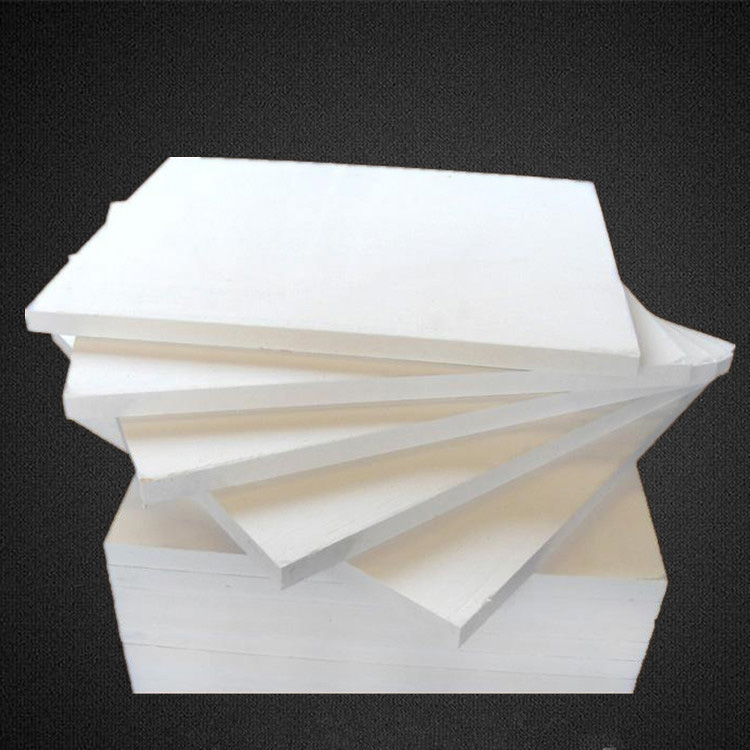
As industrial operations worldwide strive to reduce their carbon footprint, high-performance insulation has emerged as a critical component of sustainability strategies. The energy savings achieved through effective insulation directly translate to reduced greenhouse gas emissions, making it a cost-effective path toward carbon neutrality.
Beyond direct energy savings, modern calcium silicate insulation contributes to sustainability through:
Discover how Sunrise 1050°C calcium silicate insulation solutions can help your operation achieve energy efficiency, safety compliance, and sustainability goals. Our team of technical specialists provides personalized insulation audits and custom solutions tailored to your specific industrial environment.
Download Your Industrial Insulation Optimization GuideWhen evaluating insulation materials for your high-temperature processes, consider not just the initial cost but the total lifecycle value. A properly specified insulation system pays for itself through energy savings, reduced maintenance, and improved process stability—factors that become increasingly critical in today's competitive industrial landscape.
 imported tabular alumina insulation bricks
industrial kiln energy-saving refractory bricks
high-purity fused alumina
thermal shock resistant refractory materials
furnace lining energy-saving solutions
energy-saving refractory bricks
high-strength insulation bricks
industrial kiln efficiency
fused alumina refractories
thermal conductivity reduction
Tunnel kiln refractory bricks
Mullite insulation bricks
Industrial kiln masonry
Refractory mortar saving
Kiln structure stability
refractory brick masonry
mullite insulation brick
tunnel kiln stability
industrial furnace construction
refractory mortar optimization
Tunnel kiln refractory bricks
High - strength insulation bricks
Mortar usage saving
Masonry techniques
Industrial kiln refractory materials
imported tabular alumina insulation bricks
industrial kiln energy-saving refractory bricks
high-purity fused alumina
thermal shock resistant refractory materials
furnace lining energy-saving solutions
energy-saving refractory bricks
high-strength insulation bricks
industrial kiln efficiency
fused alumina refractories
thermal conductivity reduction
Tunnel kiln refractory bricks
Mullite insulation bricks
Industrial kiln masonry
Refractory mortar saving
Kiln structure stability
refractory brick masonry
mullite insulation brick
tunnel kiln stability
industrial furnace construction
refractory mortar optimization
Tunnel kiln refractory bricks
High - strength insulation bricks
Mortar usage saving
Masonry techniques
Industrial kiln refractory materials