

.png?x-oss-process=image/resize,h_100,m_lfit/format,webp)
.png?x-oss-process=image/resize,h_100,m_lfit/format,webp)
.png?x-oss-process=image/resize,h_100,m_lfit/format,webp)

In today's energy-conscious industrial landscape, metallurgical facilities face increasing pressure to optimize energy consumption while maintaining operational efficiency and safety. According to recent industry reports, inefficient thermal management can account for up to 30% of energy loss in high-temperature processes, directly impacting production costs and environmental footprint. Selecting the right insulation material becomes not just a technical decision but a strategic one that affects bottom-line performance and sustainability goals.
Metallurgical operations involving furnaces, ladles, and hot rolling mills operate under extreme temperature conditions, often exceeding 1000°C. Traditional insulation materials frequently fail to maintain structural integrity under such stress, leading to:
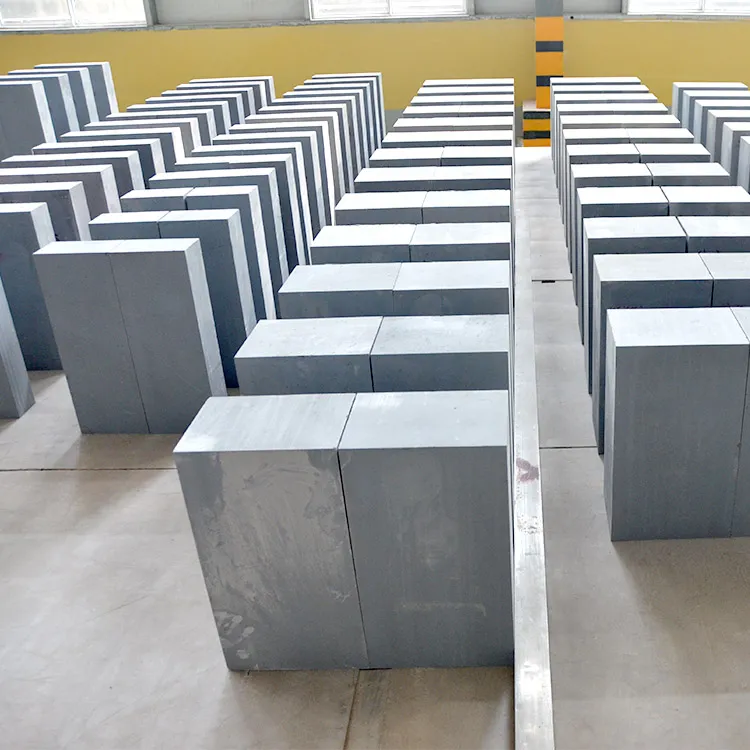
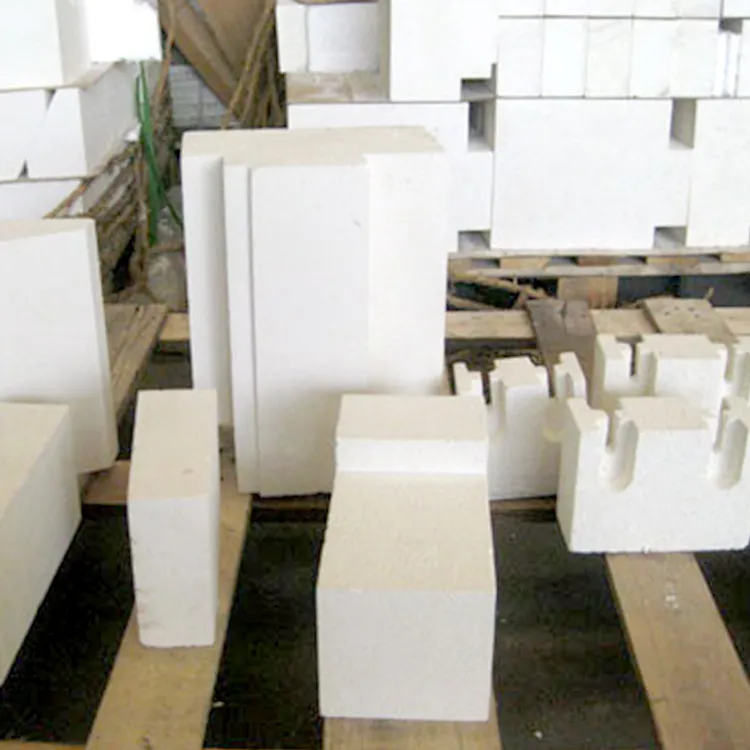
Modern calcium silicate insulation boards, such as Sunrise's 1050°C-rated solutions, represent a significant advancement in high-temperature insulation technology. These engineered materials combine reinforcing fibers with calcium silicate hydrates to create a product that delivers exceptional thermal performance while maintaining structural stability under extreme conditions.

| Property | Sunrise 1050°C Calcium Silicate Board | Industry Standard |
|---|---|---|
| Maximum Continuous Use Temperature | 1050°C | 800-950°C |
| Thermal Conductivity (at 400°C) | 0.08-0.12 W/m·K | 0.15-0.20 W/m·K |
| Compressive Strength | ≥ 1.5 MPa | ≥ 1.0 MPa |
| Density | 200-250 kg/m³ | 250-350 kg/m³ |
Beyond thermal performance, modern calcium silicate insulation offers significant environmental and safety benefits that align with global sustainability initiatives. Unlike some traditional insulation materials, Sunrise calcium silicate boards contain no asbestos, formaldehyde, or harmful volatile organic compounds, contributing to healthier work environments and compliance with stringent regulatory standards such as OSHA and REACH.
Life cycle assessment studies indicate that high-performance calcium silicate insulation can:
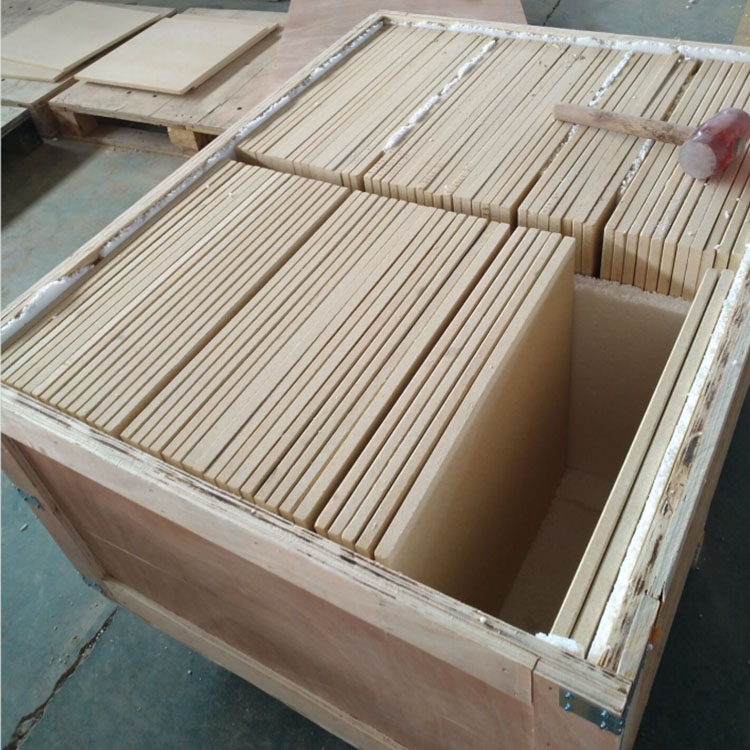
A leading steel manufacturer in the European Union recently retrofitted their continuous casting process with Sunrise 1050°C calcium silicate boards, replacing outdated ceramic fiber insulation. The results, measured over a six-month period, demonstrated remarkable improvements:
18%
Reduction in energy consumption
42°C
Average surface temperature reduction
35%
Extension in maintenance intervals
"The upgrade to high-temperature calcium silicate insulation has been transformative for our operations," noted the plant engineering manager. "Not only have we achieved significant energy savings, but the improved working conditions and reduced maintenance requirements have positively impacted our overall productivity."
Successfully implementing high-temperature insulation requires careful consideration of several factors beyond material selection. Proper installation techniques, joint sealing, and system design significantly impact long-term performance and energy efficiency. Engineers should pay particular attention to:
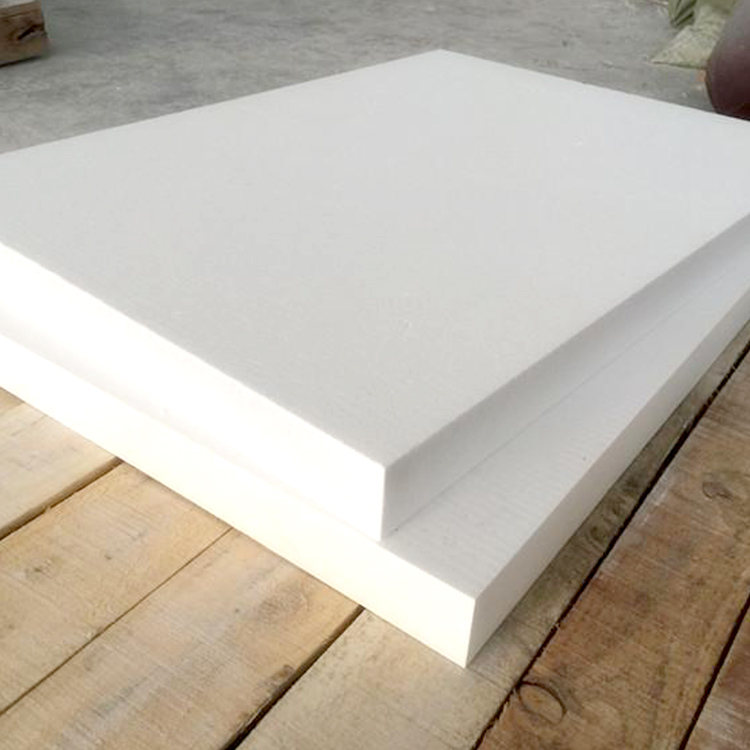
Access our comprehensive High-Temperature Insulation Selection Guide for metallurgical applications, featuring material comparison tools, installation best practices, and ROI calculators.
Download Your Free Technical GuideAs industrial operations continue to prioritize energy efficiency and sustainability, the role of advanced insulation materials becomes increasingly critical. By selecting properly engineered solutions like high-temperature calcium silicate boards, metallurgical facilities can achieve significant operational improvements while contributing to global carbon reduction goals. The technical advancements in insulation technology offer not just incremental improvements but transformative opportunities for operational excellence.
Have questions about implementing high-temperature insulation in your specific application? Share your challenges in the comments below, and our technical team will provide personalized recommendations.
 insulating firebrick efficiency
refractory mortar reduction
high-strength insulation brick
industrial kiln optimization
mullite refractory brick
low thermal conductivity insulating refractory bricks
industrial furnace energy - saving renovation
mullite insulating bricks
refractory material selection guide
high - temperature furnace energy - saving solutions
low density silica insulating firebrick
high purity silica refractory
high temperature thermal insulation
industrial furnace energy saving
Sunrise refractory solutions
low thermal conductivity firebrick
insulating refractory brick
industrial kiln energy saving
fused alumina refractory
high temperature shuttle kiln sintering
Low thermal conductivity insulating refractory bricks
High-purity fused corundum
Imported tabular corundum
Industrial furnace energy saving
Refractory material application
insulating firebrick efficiency
refractory mortar reduction
high-strength insulation brick
industrial kiln optimization
mullite refractory brick
low thermal conductivity insulating refractory bricks
industrial furnace energy - saving renovation
mullite insulating bricks
refractory material selection guide
high - temperature furnace energy - saving solutions
low density silica insulating firebrick
high purity silica refractory
high temperature thermal insulation
industrial furnace energy saving
Sunrise refractory solutions
low thermal conductivity firebrick
insulating refractory brick
industrial kiln energy saving
fused alumina refractory
high temperature shuttle kiln sintering
Low thermal conductivity insulating refractory bricks
High-purity fused corundum
Imported tabular corundum
Industrial furnace energy saving
Refractory material application